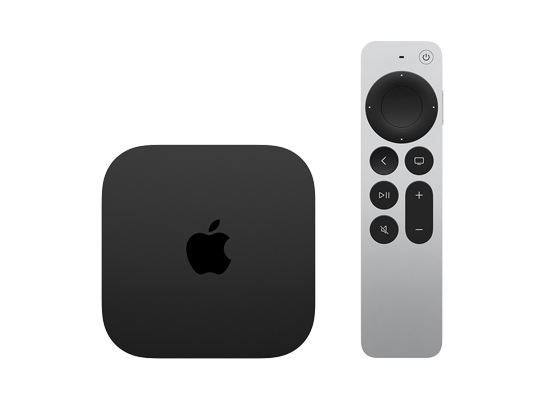
Download the latest beta firmware for iPhone, iPad, Mac, Apple Vision Pro, and Apple TV. Check the signing status of the beta firmware.
You might find installing IPSW files onto your device challenging without guidance. Follow the installation steps below, and you'll be able to do it yourself.
Need more help?
Read A Step-by-Step Guide
It was a humid Thursday evening in late September when Leo first noticed the tarnish. Not the usual dulling of lacquer from age or neglect, but something deliberate—a faint, almost calligraphic pattern of oxidation curling around the bell of the vintage Yamaha YAS-62 alto saxophone he’d just inherited from his great-uncle. The sax had arrived in a battered, coffin-shaped case that smelled of cedar, old reeds, and someone else’s dreams. Inside, nestled in purple velvet that flaked away at the touch, lay the horn: sleek, golden-bronze, and humming with an odd stillness that made Leo’s fingertips tingle.
Leo’s blood turned cold. His great-uncle hadn’t inherited the sax—he’d smuggled it. The horn wasn’t an instrument. It was a hard drive. A spy’s tool, perhaps, from the Cold War—a Yamaha saxophone modified by an engineer named Tanaka to record conversations and encode them into the acoustic resonance of its brass body. Played softly, it was a sax. Played with force, it decrypted .
That’s when Leo realized: the serial number wasn’t for lookup . It was a key.
It was a humid Thursday evening in late September when Leo first noticed the tarnish. Not the usual dulling of lacquer from age or neglect, but something deliberate—a faint, almost calligraphic pattern of oxidation curling around the bell of the vintage Yamaha YAS-62 alto saxophone he’d just inherited from his great-uncle. The sax had arrived in a battered, coffin-shaped case that smelled of cedar, old reeds, and someone else’s dreams. Inside, nestled in purple velvet that flaked away at the touch, lay the horn: sleek, golden-bronze, and humming with an odd stillness that made Leo’s fingertips tingle.
Leo’s blood turned cold. His great-uncle hadn’t inherited the sax—he’d smuggled it. The horn wasn’t an instrument. It was a hard drive. A spy’s tool, perhaps, from the Cold War—a Yamaha saxophone modified by an engineer named Tanaka to record conversations and encode them into the acoustic resonance of its brass body. Played softly, it was a sax. Played with force, it decrypted .
That’s when Leo realized: the serial number wasn’t for lookup . It was a key.