S-APPS is a Syrian IT company offers an extensive array of information technology services encompassing ERP solutions, web and mobile application development, as well as information security services and solutions.

Enterprise Resource
Planning (ERP)

Mobile &Web
Applications

Cyber Security
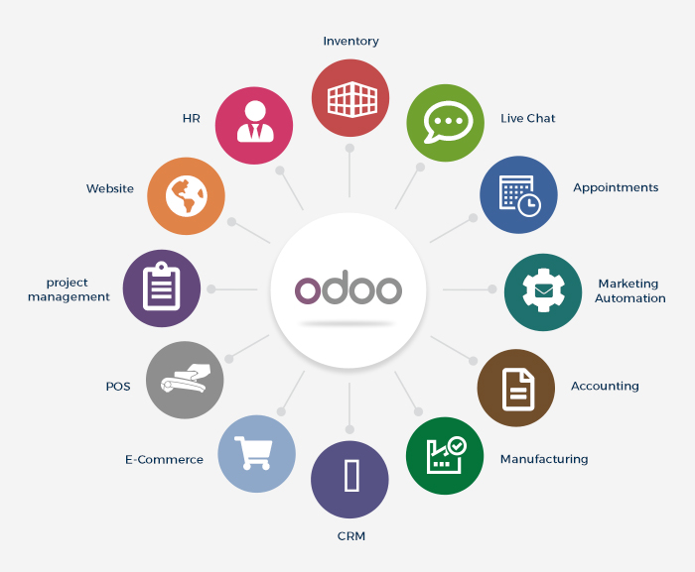
What is Odoo?
An app for every need
Mobile &
Web
Applications
Customized Applications
Cutting Edge Technologies And Best
Practices
Mobile

Web
Services
Cyber Security

Security Orchestration, Automation and Response (SOAR) Www indian xxx sex com video
User and Entity Behavior Analytics (UEBA)

Unified Threat Management (UTM)
Data Leakage Prevention (DLP)

Vulnerability Assessment
Penetration Testing

Information Security Policy Development

Security Training And Awareness
Projects
In the end, entertainment content is not good or bad. It is a tool. The question is whether we wield it, or it wields us. The answer, as always, lies in the act of looking up—just for a moment—and remembering that the most compelling story is still the one happening outside the screen.
Popular media, for all its excesses, remains a mirror. When we see audiences flocking to quiet, gentle content (Bob Ross reruns, The Great British Bake Off , lo-fi hip-hop streams), we are witnessing a collective plea. The world is loud enough. Sometimes entertainment's highest calling is not to shock or seduce, but to simply let us exhale.
Popular media today is engineered for velocity. Shows are written knowing that viewers might have forgotten a supporting character introduced six hours (i.e., six episodes) ago. Dialogue repeats key information. Plot twists arrive every 18 minutes—the approximate length of a human bathroom break. This is not artisanal storytelling; it is industrial-grade immersion. Perhaps the most profound shift is in our relationship to talent. TikTok creators, Twitch streamers, and YouTubers have collapsed the distance between star and spectator. When a viewer comments and the creator replies within seconds, the traditional barrier dissolves. We no longer simply admire media figures; we feel we know them.
Yet there is resistance. The "slow TV" movement (10-hour train journeys, unedited fireplace footage) offers a deliberate counter-programming. Vinyl records and physical media have seen a curious resurgence among the young—not for sound quality, but for constraint . A record forces you to listen to side B. A Blu-ray has no ads and no autoplay.
In the span of a single generation, entertainment content has quietly evolved from a weekend luxury into the primary architecture of daily existence. Popular media is no longer just what we watch when we are bored; it is the lens through which we process reality, the shorthand for our emotions, and the battleground for our cultural wars.
We live in what media scholars call the "attention economy," but a more apt term might be the . The average person now consumes over 12 hours of media daily—not out of gluttony, but out of necessity. Entertainment has become the ambient wallpaper of modern life: podcasts during commutes, streaming series during dinner, vertical short-form videos in the interstices between meetings. The Binge as Ritual Gone is the era of appointment viewing (the weekly ritual of Must See TV ). In its place is the binge , a form of consumption that fundamentally rewires narrative expectation. When Netflix dropped all 13 episodes of House of Cards in 2013, it wasn't just a distribution model—it was a psychological experiment. The cliffhanger died, replaced by the "auto-play" countdown. Fatigue became a challenge to overcome, not a signal to stop.
In the end, entertainment content is not good or bad. It is a tool. The question is whether we wield it, or it wields us. The answer, as always, lies in the act of looking up—just for a moment—and remembering that the most compelling story is still the one happening outside the screen.
Popular media, for all its excesses, remains a mirror. When we see audiences flocking to quiet, gentle content (Bob Ross reruns, The Great British Bake Off , lo-fi hip-hop streams), we are witnessing a collective plea. The world is loud enough. Sometimes entertainment's highest calling is not to shock or seduce, but to simply let us exhale.
Popular media today is engineered for velocity. Shows are written knowing that viewers might have forgotten a supporting character introduced six hours (i.e., six episodes) ago. Dialogue repeats key information. Plot twists arrive every 18 minutes—the approximate length of a human bathroom break. This is not artisanal storytelling; it is industrial-grade immersion. Perhaps the most profound shift is in our relationship to talent. TikTok creators, Twitch streamers, and YouTubers have collapsed the distance between star and spectator. When a viewer comments and the creator replies within seconds, the traditional barrier dissolves. We no longer simply admire media figures; we feel we know them.
Yet there is resistance. The "slow TV" movement (10-hour train journeys, unedited fireplace footage) offers a deliberate counter-programming. Vinyl records and physical media have seen a curious resurgence among the young—not for sound quality, but for constraint . A record forces you to listen to side B. A Blu-ray has no ads and no autoplay.
In the span of a single generation, entertainment content has quietly evolved from a weekend luxury into the primary architecture of daily existence. Popular media is no longer just what we watch when we are bored; it is the lens through which we process reality, the shorthand for our emotions, and the battleground for our cultural wars.
We live in what media scholars call the "attention economy," but a more apt term might be the . The average person now consumes over 12 hours of media daily—not out of gluttony, but out of necessity. Entertainment has become the ambient wallpaper of modern life: podcasts during commutes, streaming series during dinner, vertical short-form videos in the interstices between meetings. The Binge as Ritual Gone is the era of appointment viewing (the weekly ritual of Must See TV ). In its place is the binge , a form of consumption that fundamentally rewires narrative expectation. When Netflix dropped all 13 episodes of House of Cards in 2013, it wasn't just a distribution model—it was a psychological experiment. The cliffhanger died, replaced by the "auto-play" countdown. Fatigue became a challenge to overcome, not a signal to stop.

S-SIEM
Security Information and Event Management
An integral component of the Security Operations Center, offering a comprehensive solution for security monitoring, threat detection, and response
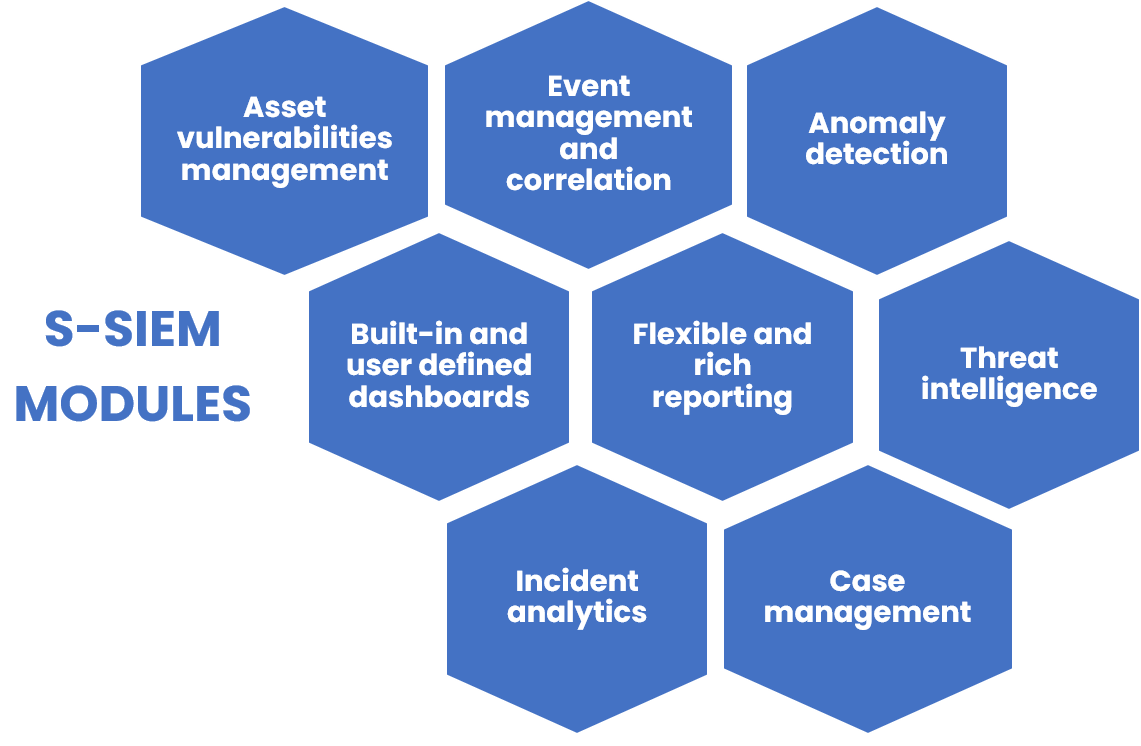
MAIN FEATURES
File integrity monitoring
Integration with MITRE ATT&CK and MISP Regulatory compliance (PCI DSS, GDPR, NIST 800-53, GPG13, TSC SOC2, HIPAA, …)
Security configuration assessment
Built-in vulnerability scanning engines and support for external engines
Case management and follow up of suspicious security incidents
Multiple security analysers for variety of observables Chart rich reports
Exporting reports in multiple formats (csv, pdf & html)
Intrusion detection and NIDS integration
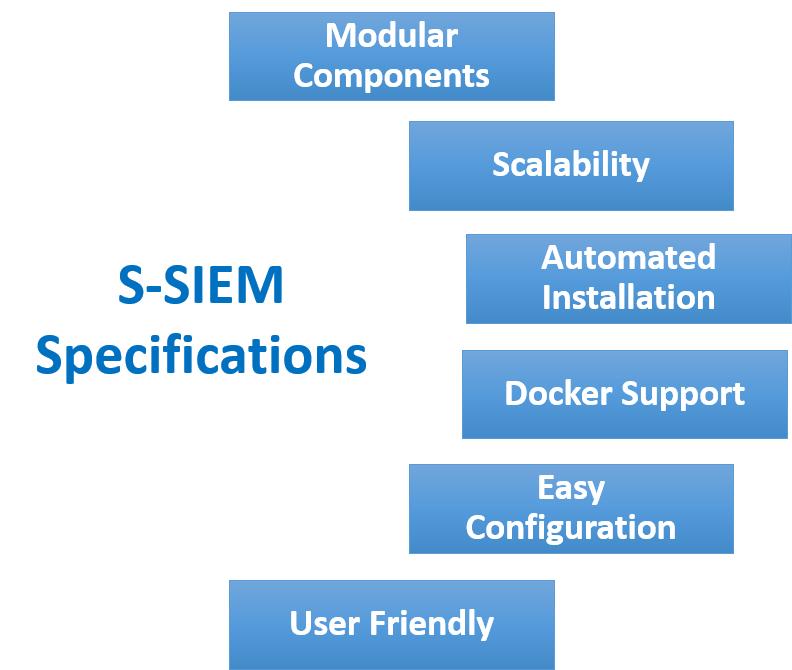
DIFFERENTIATION
Flexible and efficient parsers
Variety of data sources
Agent and agentless
Legacy systems
Rules and events correlation
High through output
Flood protected
Cross devices and data
Instant alerting
Vision
We strive for pioneering digital transformation with a team of
experts, fostering emerging skills,
and building enduring competencies for a dynamic future.
Mission
We adopt global information & communication technology progress to
provide
innovative software solutions & information security services .
Values

Agility
We rely on agile working methods and mindset in order to achieve better and faster solutions.

Innovation
Pioneers in establishing certain fast technological progression

Security
Maintaining Confidentiality, Integrity and Availability.

Synergy
We believe in combining work value and performance

Competencies Building
believing in our talents, leads our way to develop knowledge, skills, and attributes.

Professionalism
Portray a professional image through reliability, consistency and honesty.

Diversity
ALL, to feel accepted and valued.

Excellence
We strive to be the best we can be and to do the best we can do.

Why Us
We are a team of experts having competent skills & specialized experiences in information & communication technologies solutions & services. Our main focus is to implement, develop & support business applications & enterprise resource planning solutions, web site, mobile applications. In parallel to information security solutions, consultancies, & trainings.

© 2026 Lively Modern Realm