stop kpop

Stop - Kpop

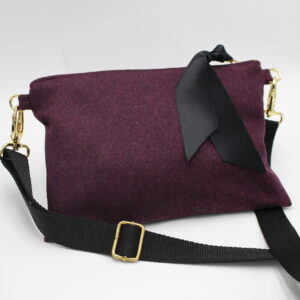

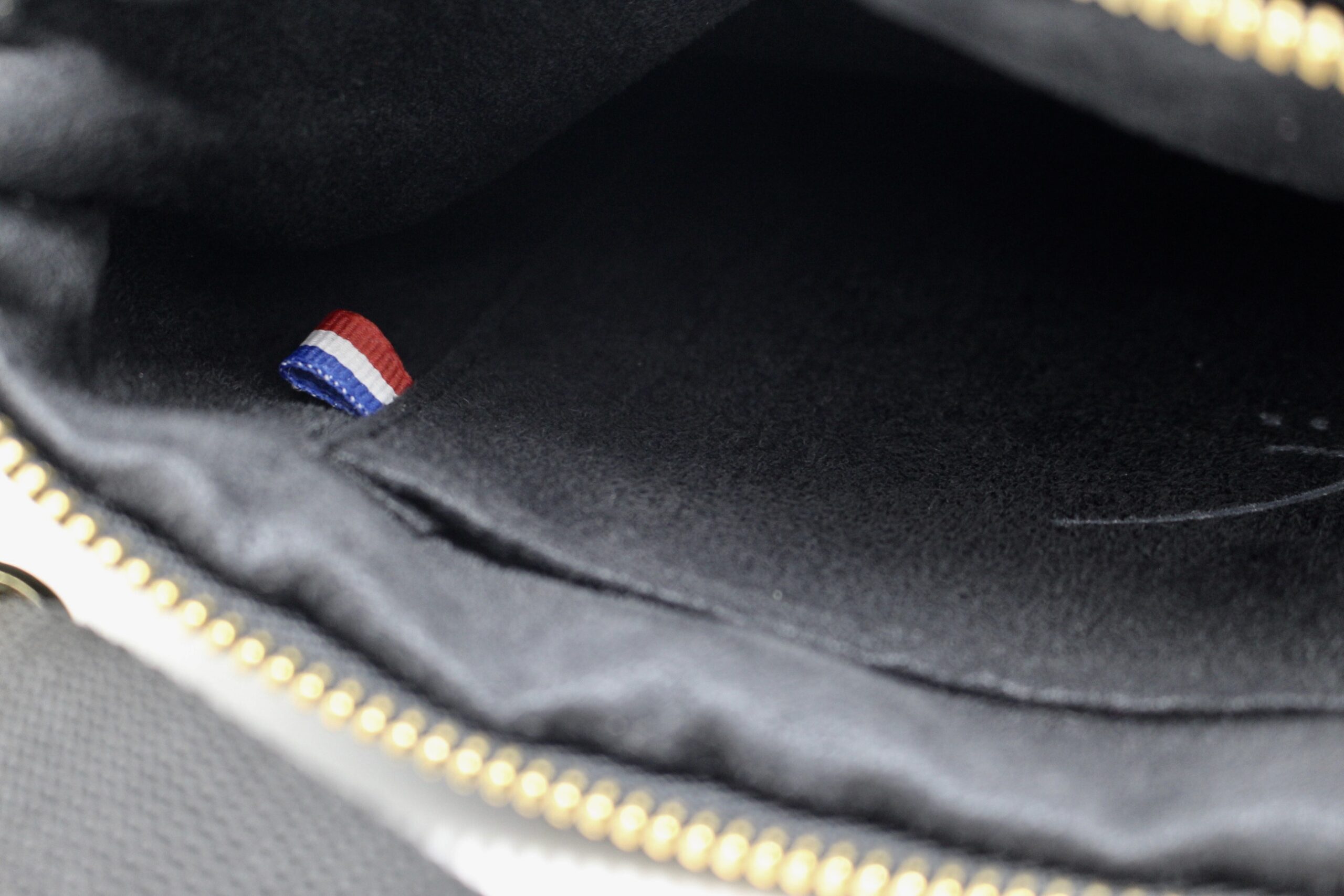
Tissu en laine recyclée Française !

55,00 

Stop - Kpop

UGS CIT17-1-1-1-2-1-1 Catégories ,

Stop - Kpop

The most visible, and arguably most chaotic, manifestation of "Stop Kpop" comes from within the competitive ecosystem of fandom itself. When a K-pop group achieves a record-breaking milestone (e.g., YouTube views in 24 hours, Billboard charting), rival fans—often from other K-pop groups or Western pop fandoms—will organize under the hashtag to artificially sabotage the achievement. This includes mass-reporting music videos, organizing streaming boycotts, or flooding comment sections with negativity. In this context, "Stop Kpop" is not an ideological stance; it’s a tactical weapon in the endless war for chart dominance.

The most ironic outcome of the "Stop Kpop" movement is its consistent failure. Attempts to boycott or sabotage often backfire spectacularly. When antis mass-report a music video, the resulting controversy often drives curious new listeners to the very video they tried to bury. When they spam hateful comments, fan armies mobilize to "clean up" the tag, boosting engagement metrics. stop kpop

For every global movement, there is an equal and opposite reaction. For the past decade, the Korean Wave (Hallyu) has swept across the globe, with K-pop at its vanguard—a multi-billion dollar industry selling out stadiums from São Paulo to London. Yet, alongside the millions of passionate fans, a persistent and often vitriolic counter-movement has taken root: the "Stop Kpop" phenomenon. The most visible, and arguably most chaotic, manifestation

In a digital economy driven by algorithms, engagement is engagement—positive or negative. By devoting so much energy to stopping K-pop, the movement paradoxically fuels the very machine it seeks to destroy. K-pop’s dominance is not threatened by its haters; it is fueled by them. The "Stop Kpop" phenomenon is, ultimately, a testament to the genre's power. You only try so hard to silence something that you secretly fear you cannot ignore. In this context, "Stop Kpop" is not an

Informations complémentaires

Poids 0,485 kg
Dimensions 23 × 15 × 30 cm

Avis

Il n’y a pas encore d’avis.

Soyez le premier à laisser votre avis sur “Soft 164”

Votre adresse e-mail ne sera pas publiée. Les champs obligatoires sont indiqués avec *

The most visible, and arguably most chaotic, manifestation of "Stop Kpop" comes from within the competitive ecosystem of fandom itself. When a K-pop group achieves a record-breaking milestone (e.g., YouTube views in 24 hours, Billboard charting), rival fans—often from other K-pop groups or Western pop fandoms—will organize under the hashtag to artificially sabotage the achievement. This includes mass-reporting music videos, organizing streaming boycotts, or flooding comment sections with negativity. In this context, "Stop Kpop" is not an ideological stance; it’s a tactical weapon in the endless war for chart dominance.
The most ironic outcome of the "Stop Kpop" movement is its consistent failure. Attempts to boycott or sabotage often backfire spectacularly. When antis mass-report a music video, the resulting controversy often drives curious new listeners to the very video they tried to bury. When they spam hateful comments, fan armies mobilize to "clean up" the tag, boosting engagement metrics.

For every global movement, there is an equal and opposite reaction. For the past decade, the Korean Wave (Hallyu) has swept across the globe, with K-pop at its vanguard—a multi-billion dollar industry selling out stadiums from São Paulo to London. Yet, alongside the millions of passionate fans, a persistent and often vitriolic counter-movement has taken root: the "Stop Kpop" phenomenon.

In a digital economy driven by algorithms, engagement is engagement—positive or negative. By devoting so much energy to stopping K-pop, the movement paradoxically fuels the very machine it seeks to destroy. K-pop’s dominance is not threatened by its haters; it is fueled by them. The "Stop Kpop" phenomenon is, ultimately, a testament to the genre's power. You only try so hard to silence something that you secretly fear you cannot ignore.