Siemens D12-46 Manual -
Our mission is to improve the design process for architects and engineers. By improving the comfort of work, using a fast and intuitive interaction with the software.
GET NOW
Our mission is to improve the design process for architects and engineers. By improving the comfort of work, using a fast and intuitive interaction with the software.
GET NOW
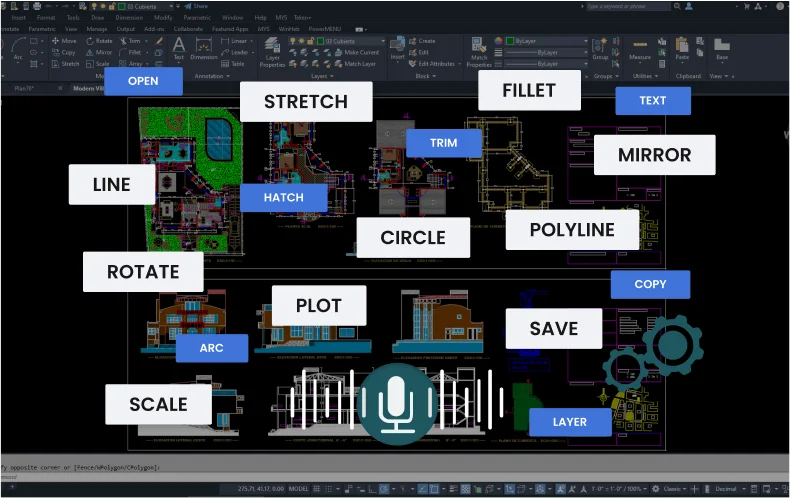
a mobile application that can execute the user's voice commands in AutoCAD



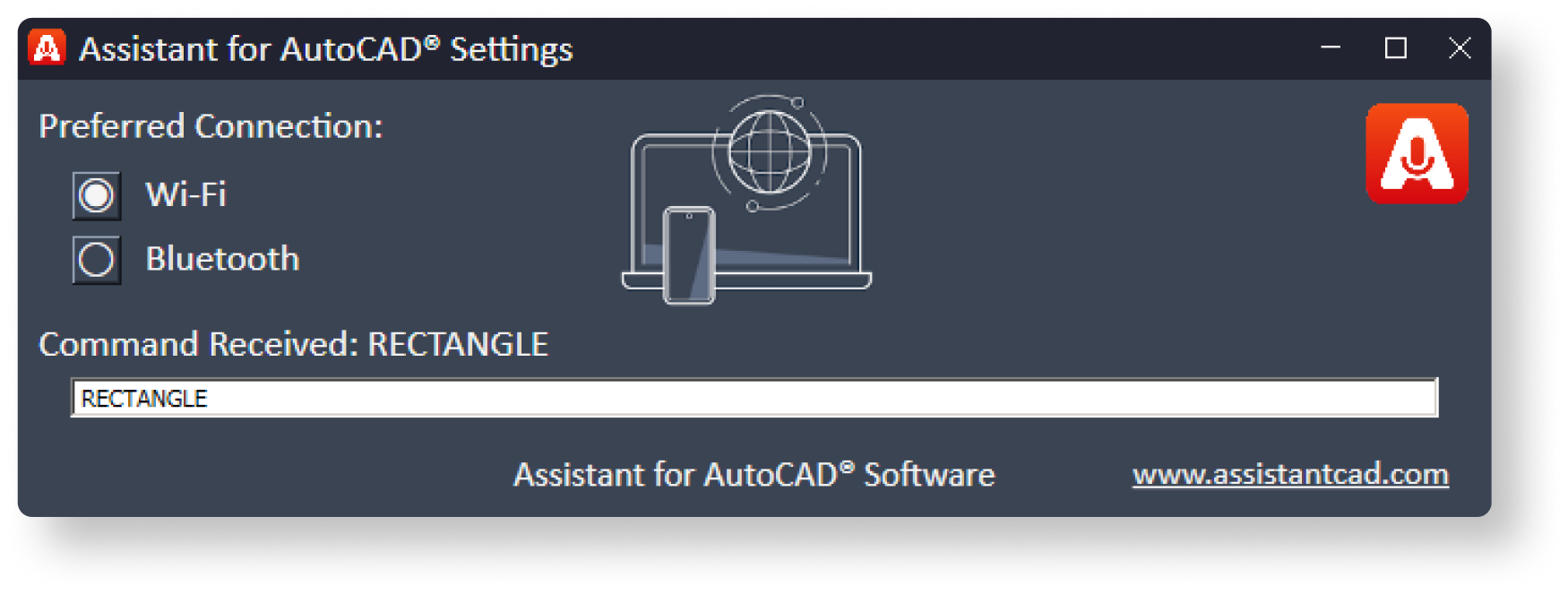
Works via Wi-Fi

runs in the background

Works via Bluetooth

Supports operation
via a headset (audio)

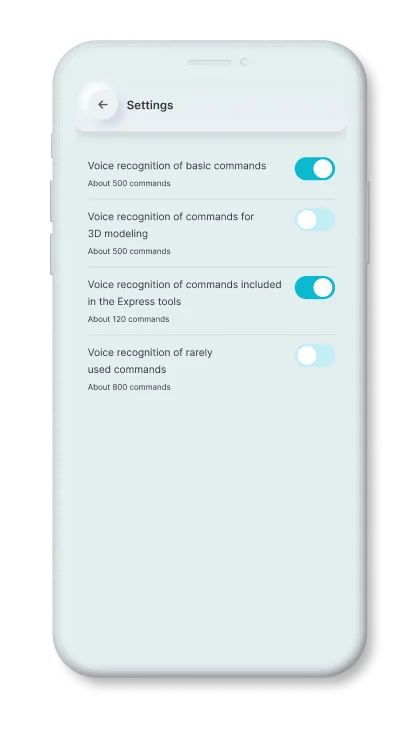
 500+
500+
Basic commands
that are used most often.
 120+
120+
Express
tool commands.
 100+
100+
Commands
for 3d modeling.
 800+
800+
Rarely used
AutoCAD commands

The first tool to manually improve the commands, for this he needs to record the command in his voice.
In this way, the engine will know and take into account the individual peculiarities of the pronunciation of the given command.
1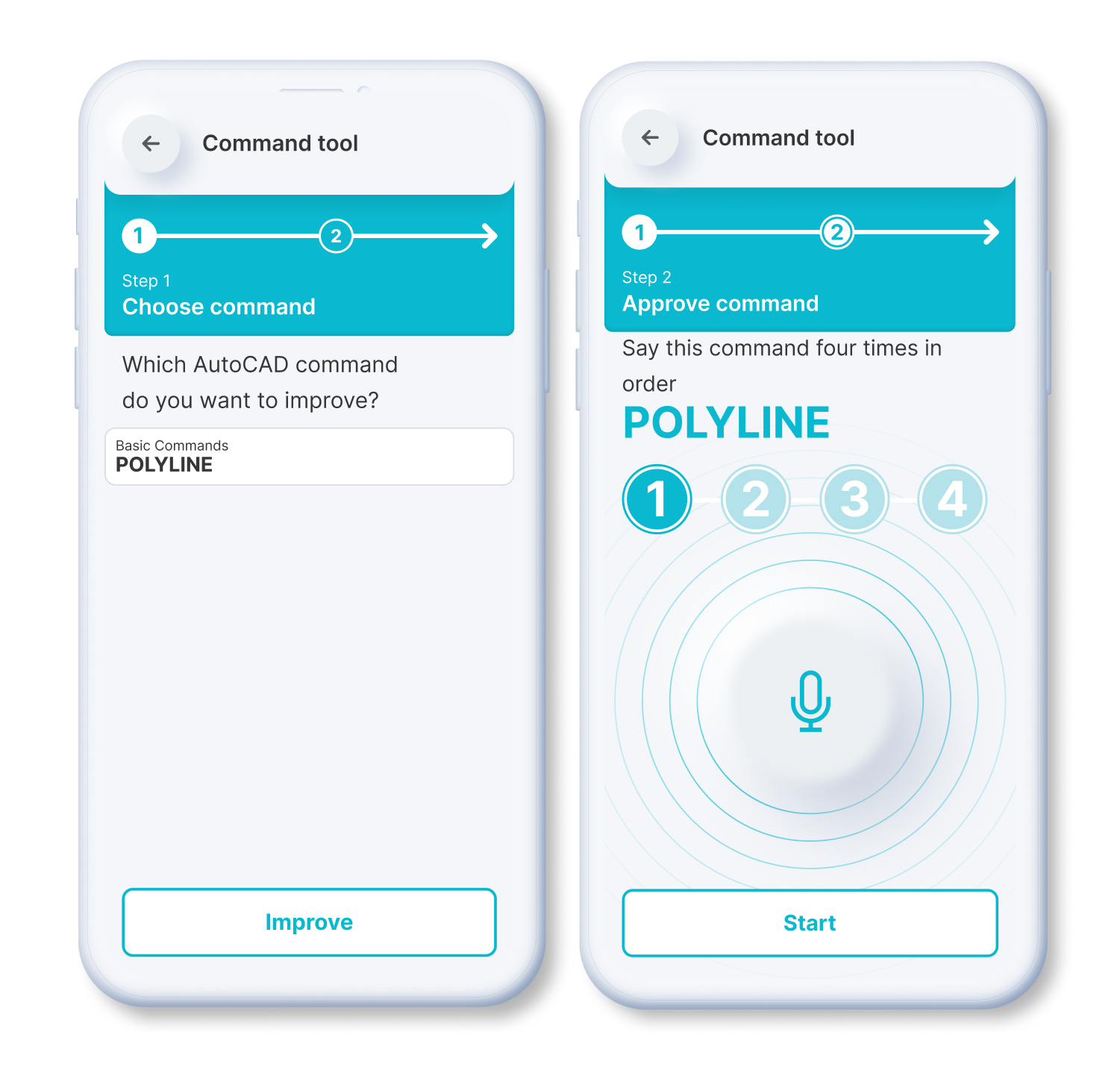
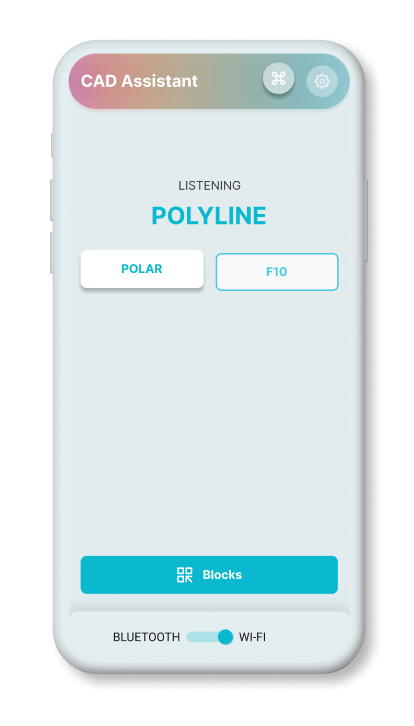
If the recognition engine algorithm is not confident in determining the correct command, it will offer to choose from the appropriate options.
The application then saves the user's choice, and will take that result into account at a later time. In this way, the engine is fine-tuned to the individual peculiarities of pronunciation.
2 1290+
1290+
Static Blocks
 210+
210+
Dynamic Blocks
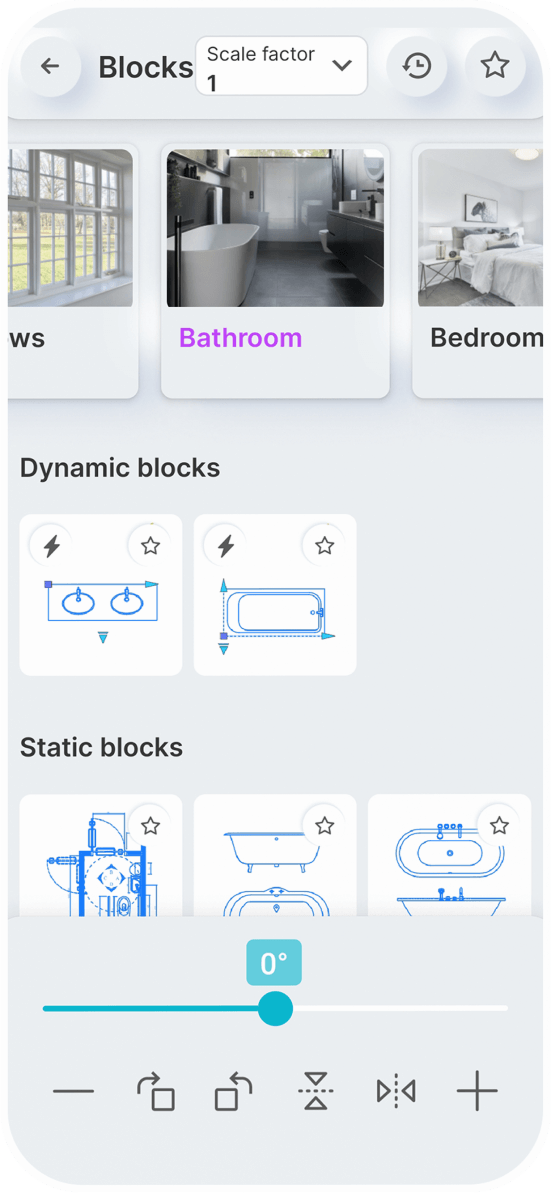
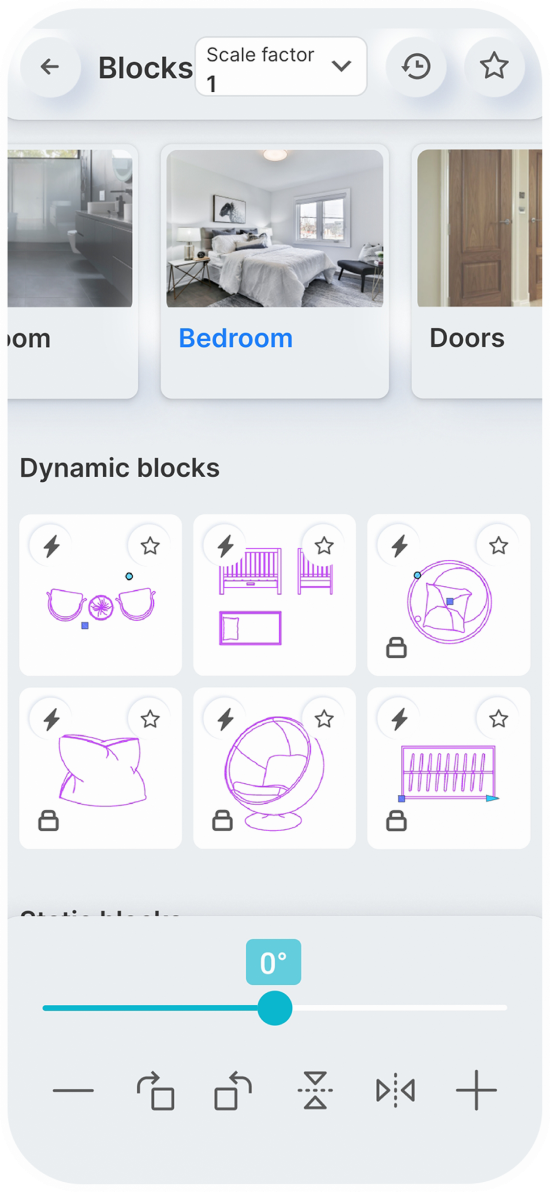
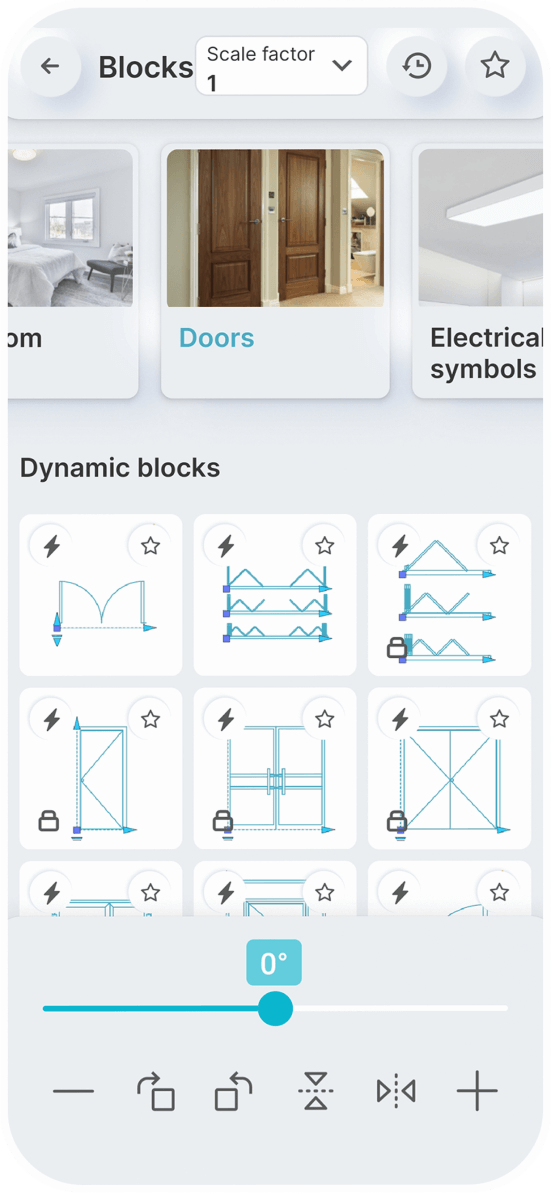
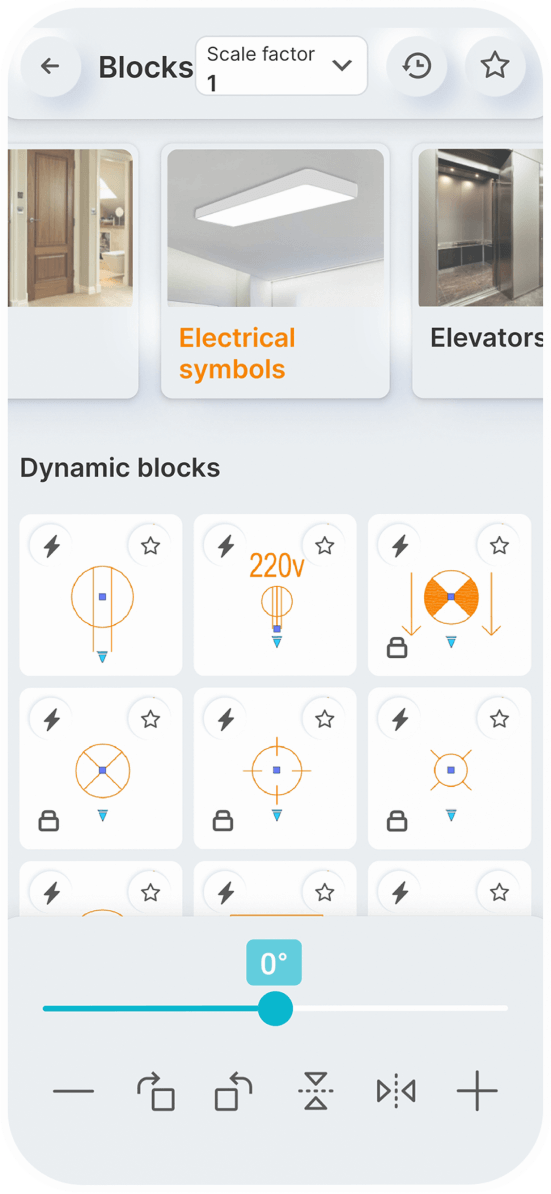
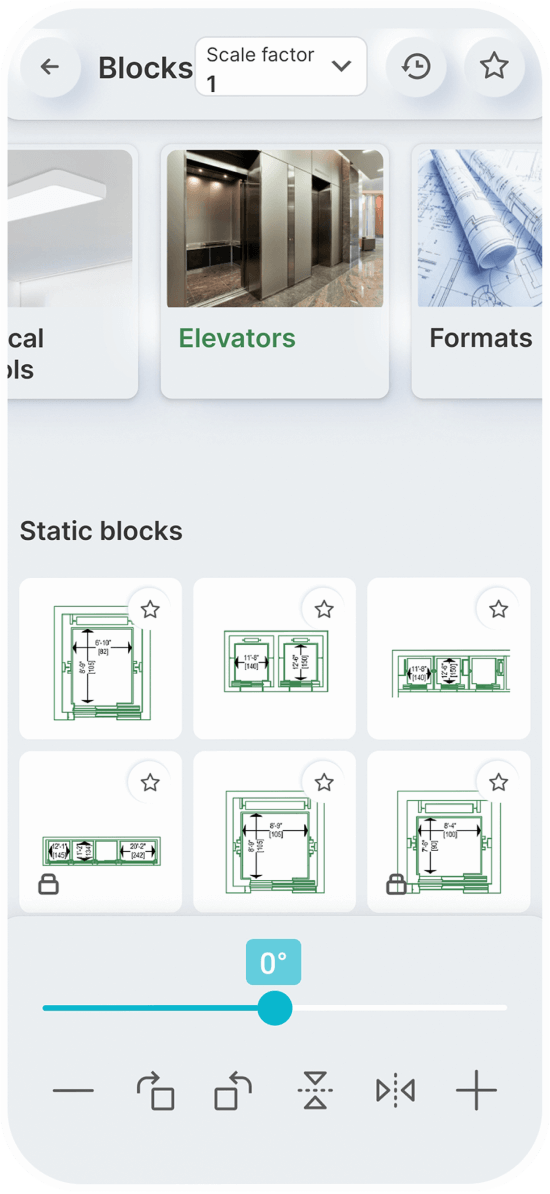
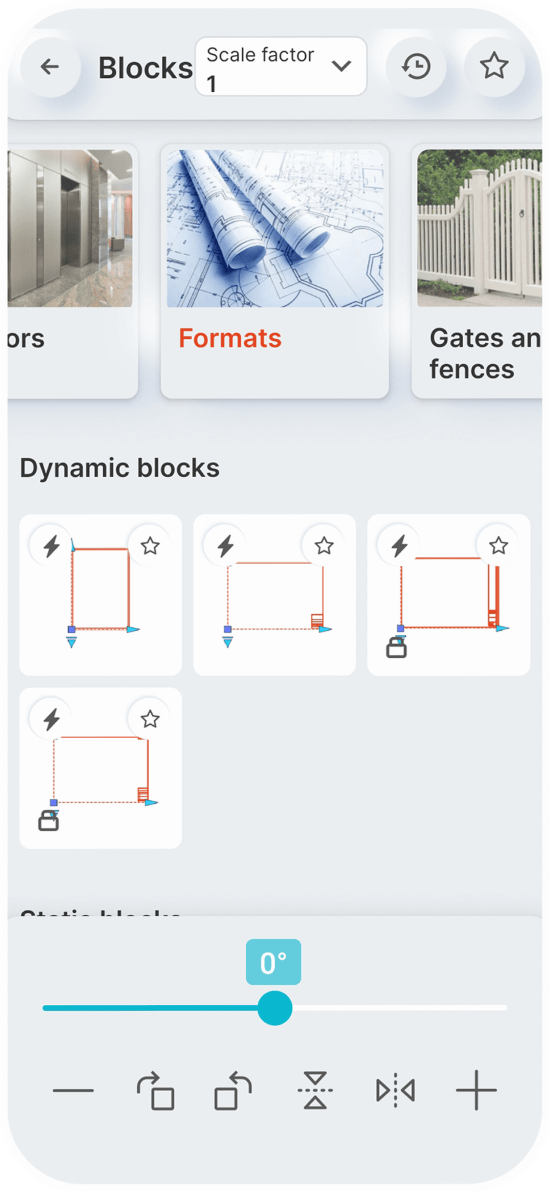
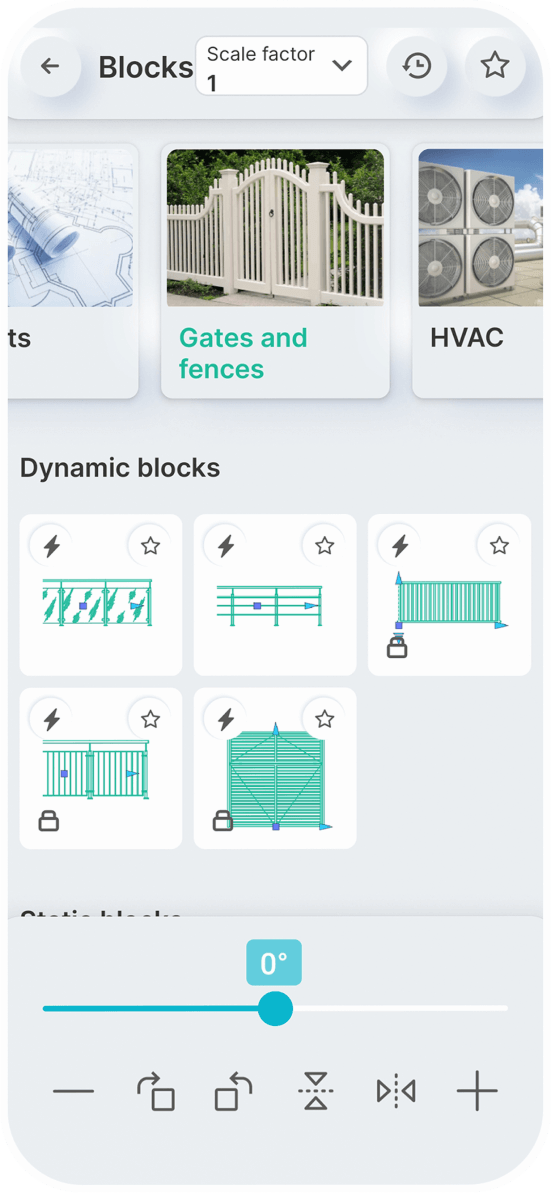
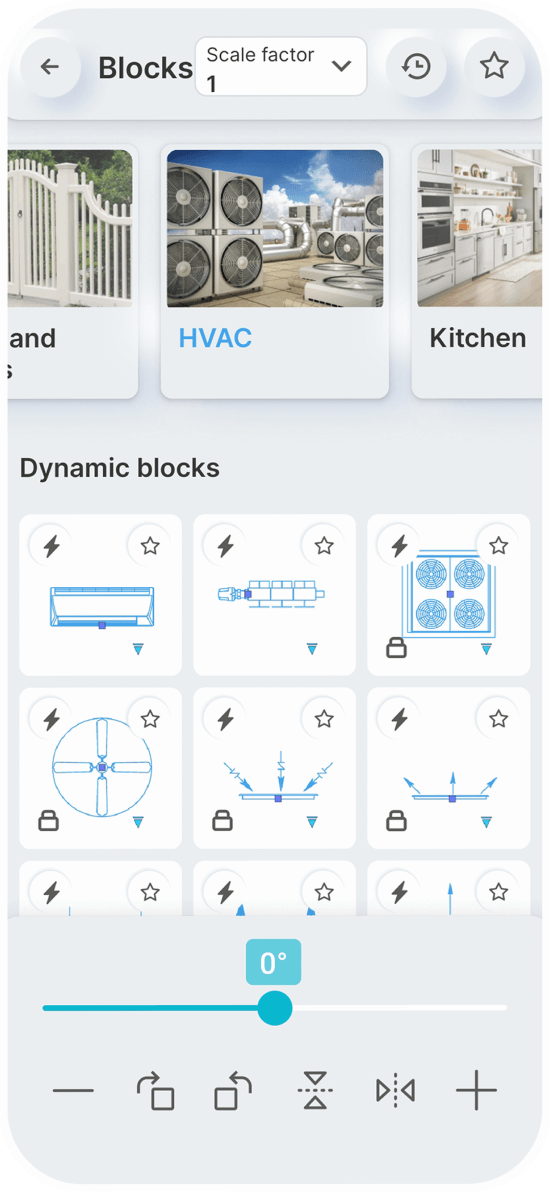
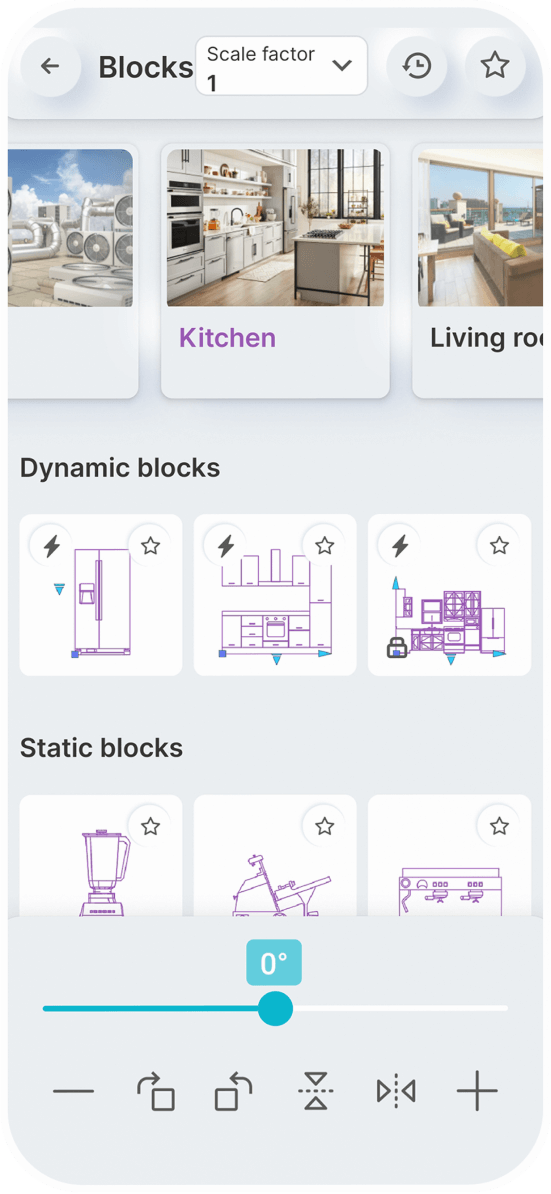
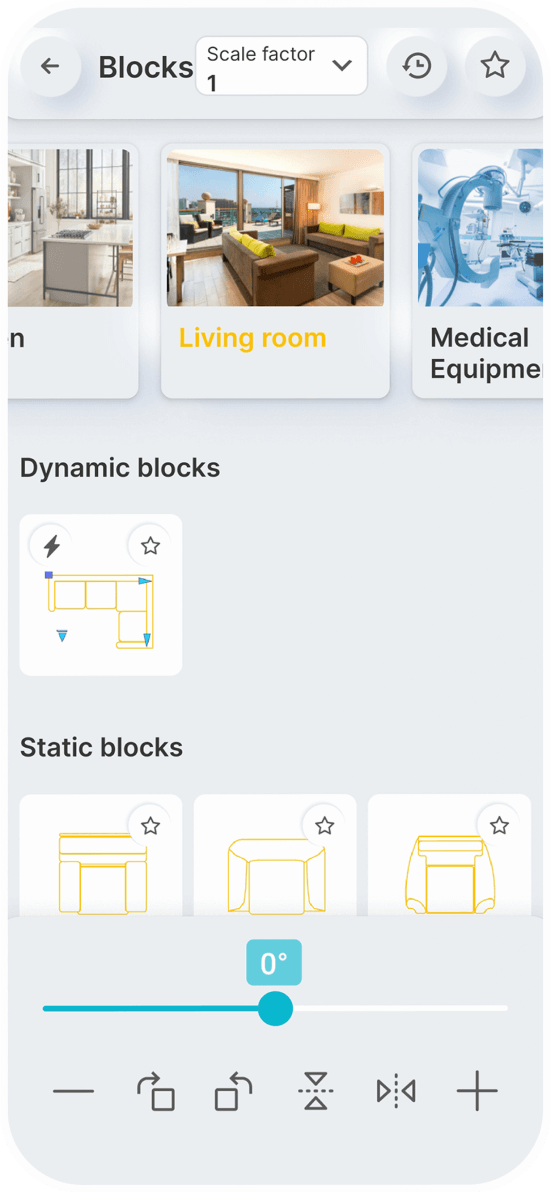
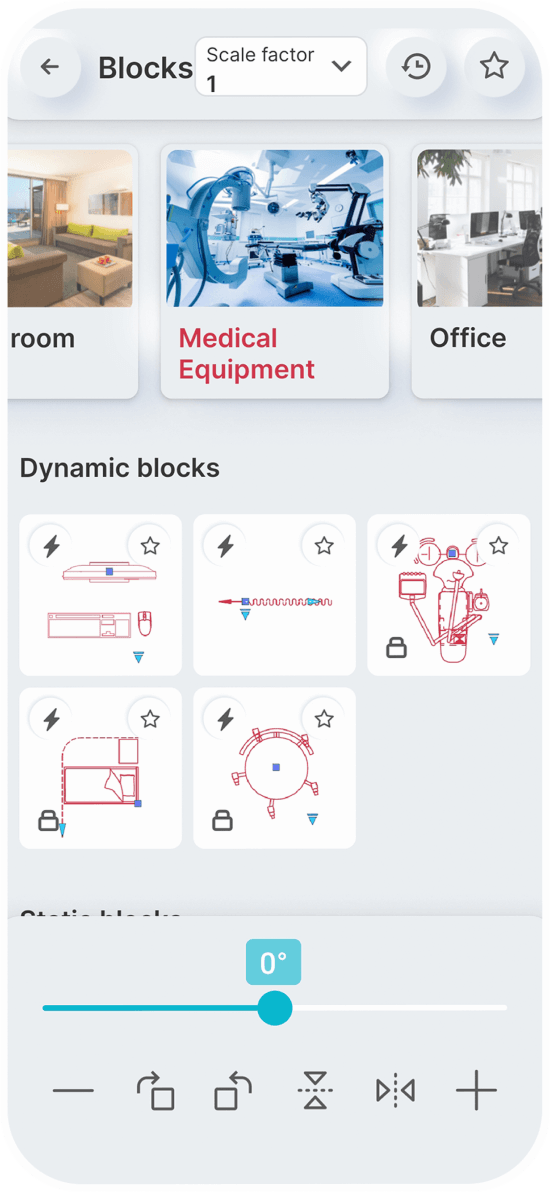
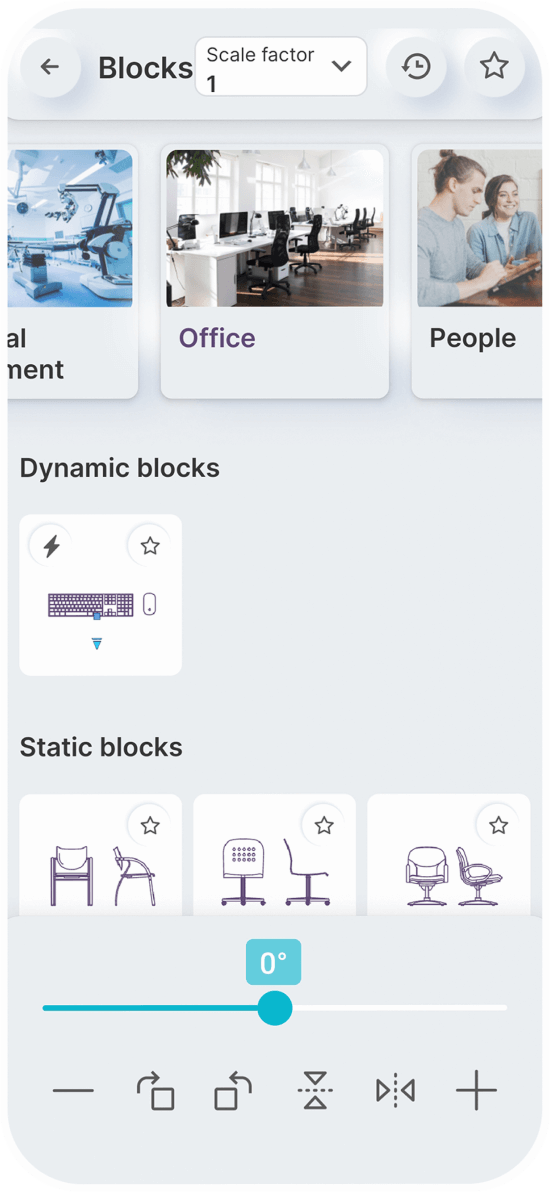
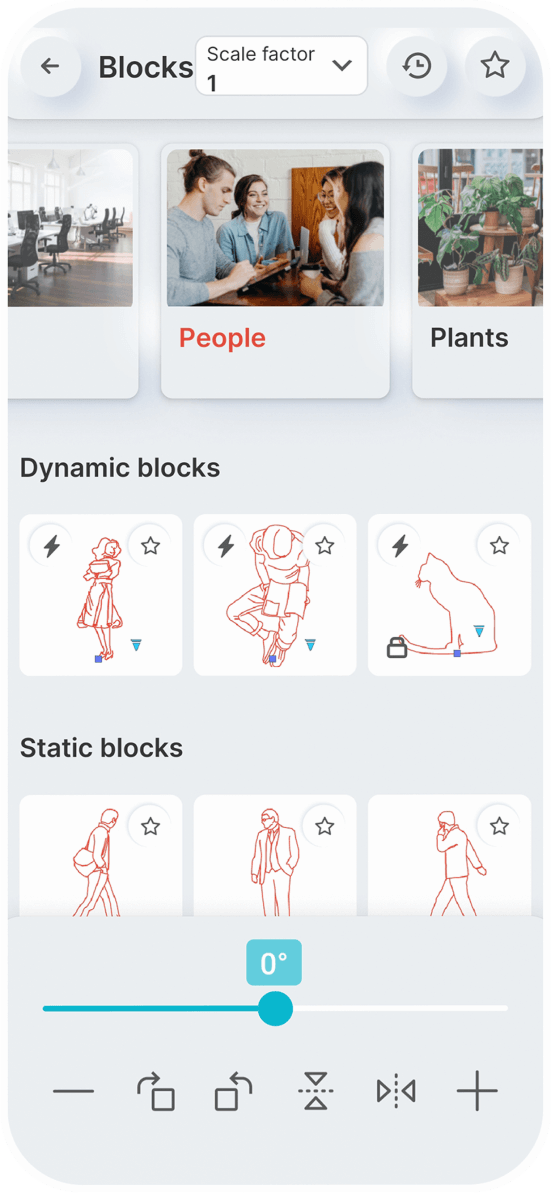
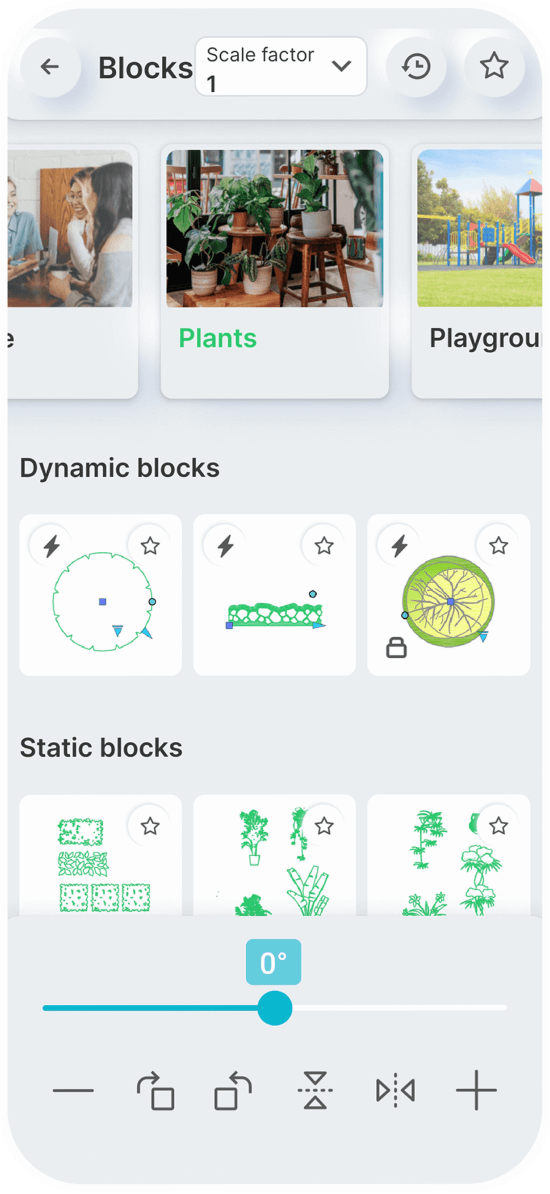
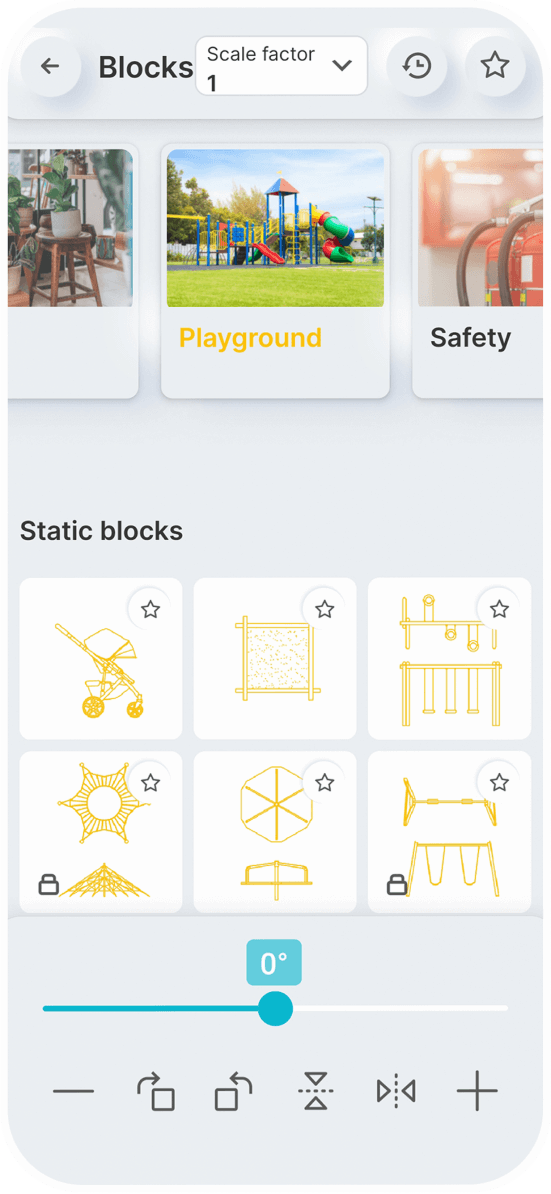
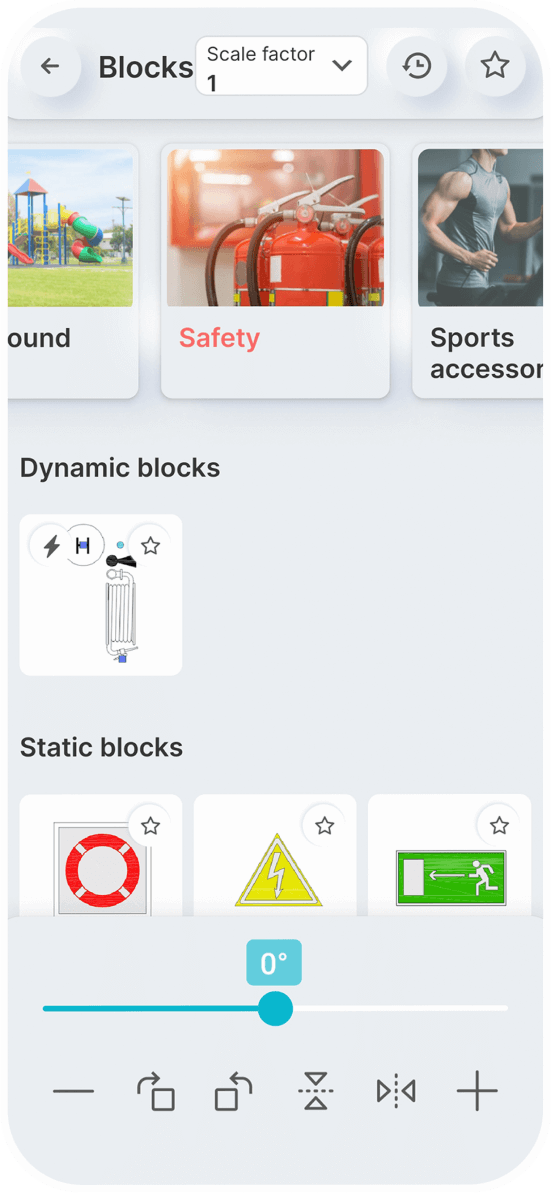
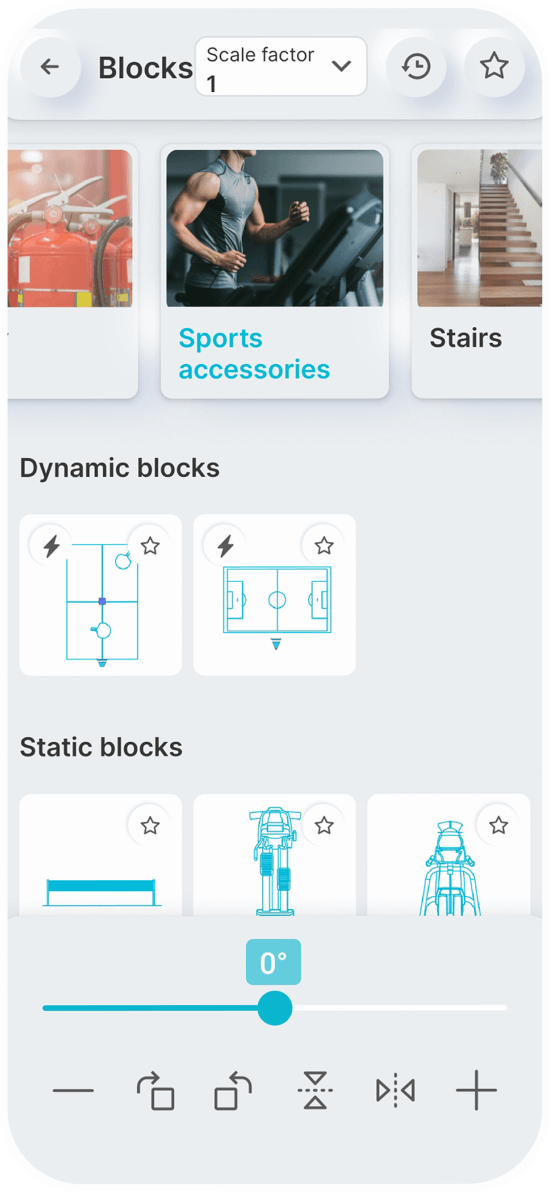
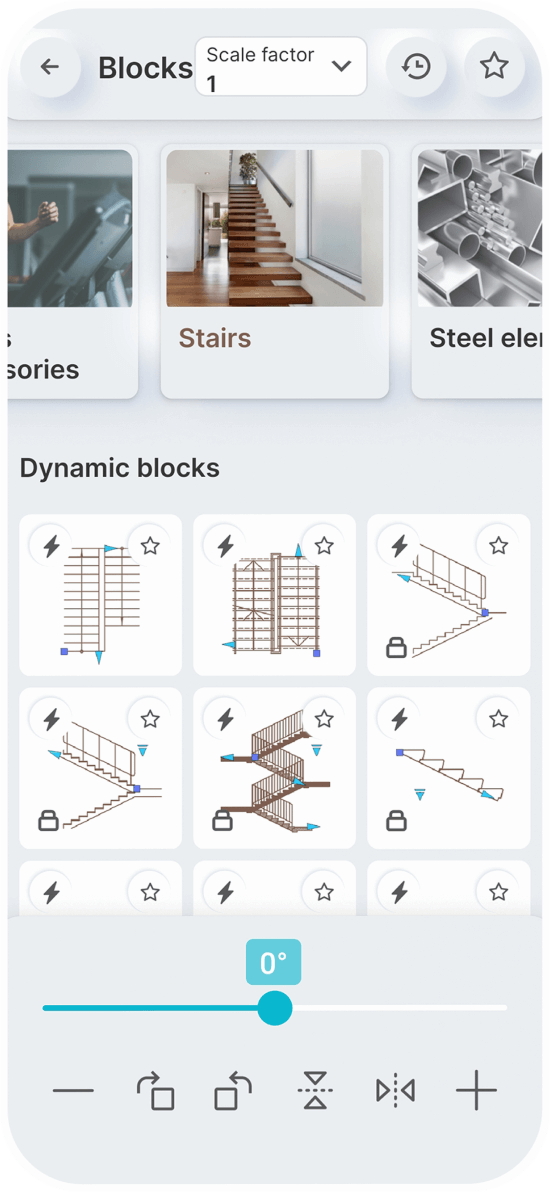
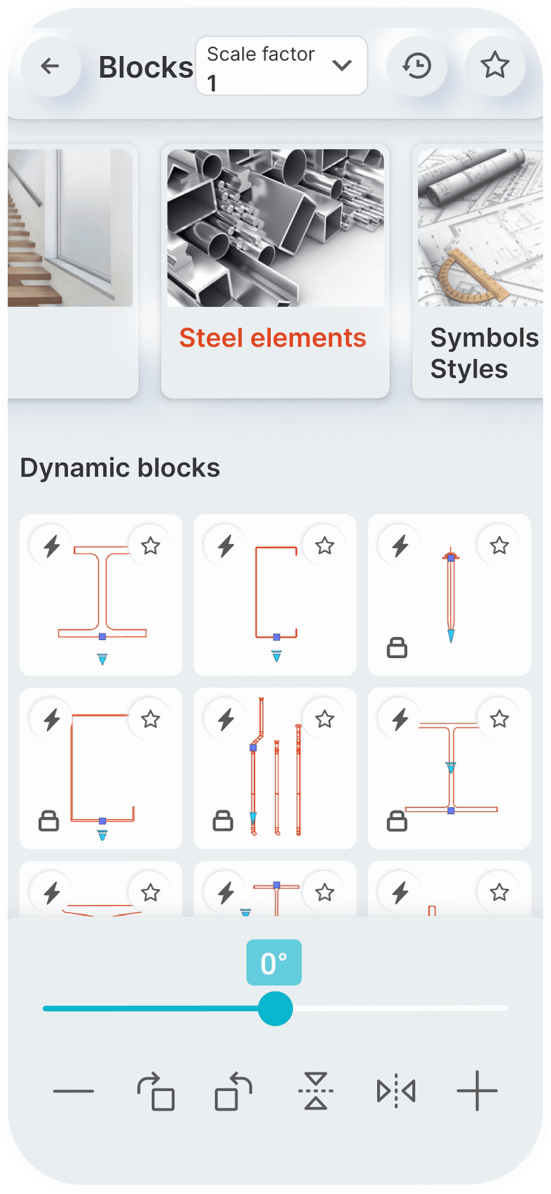
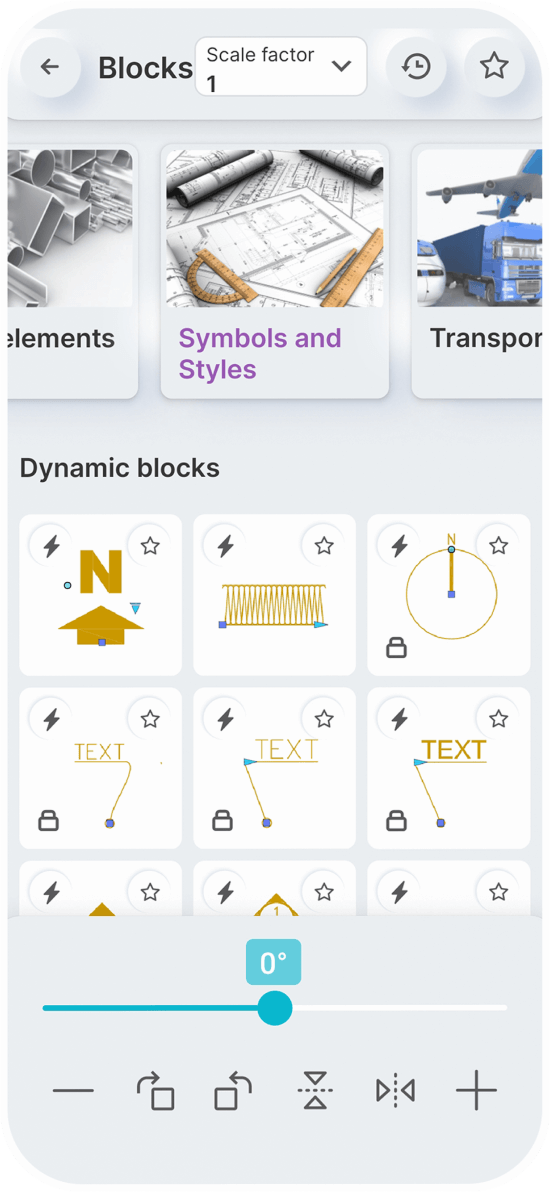
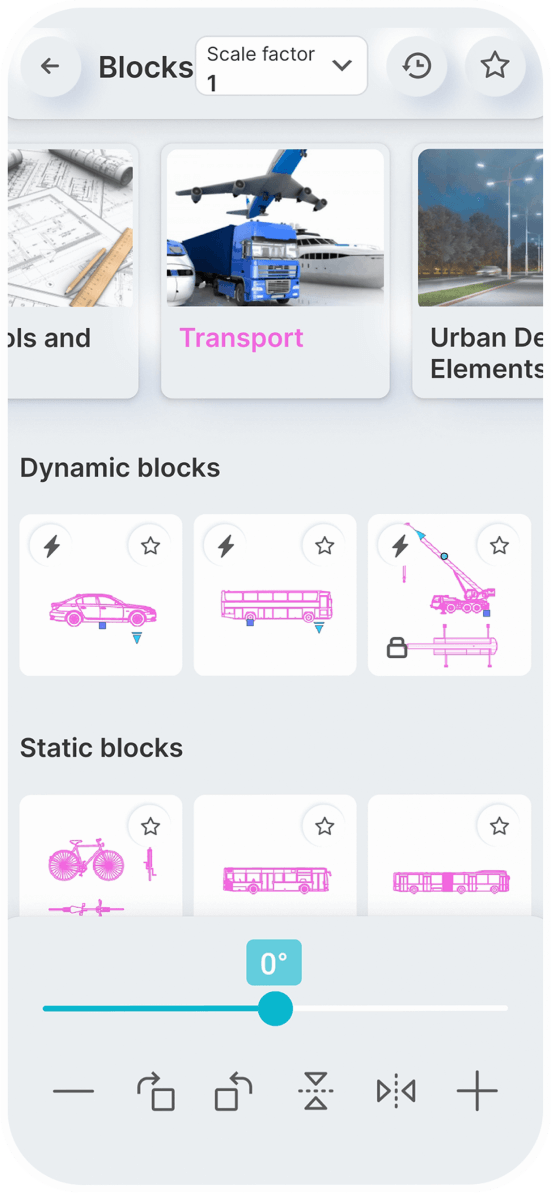
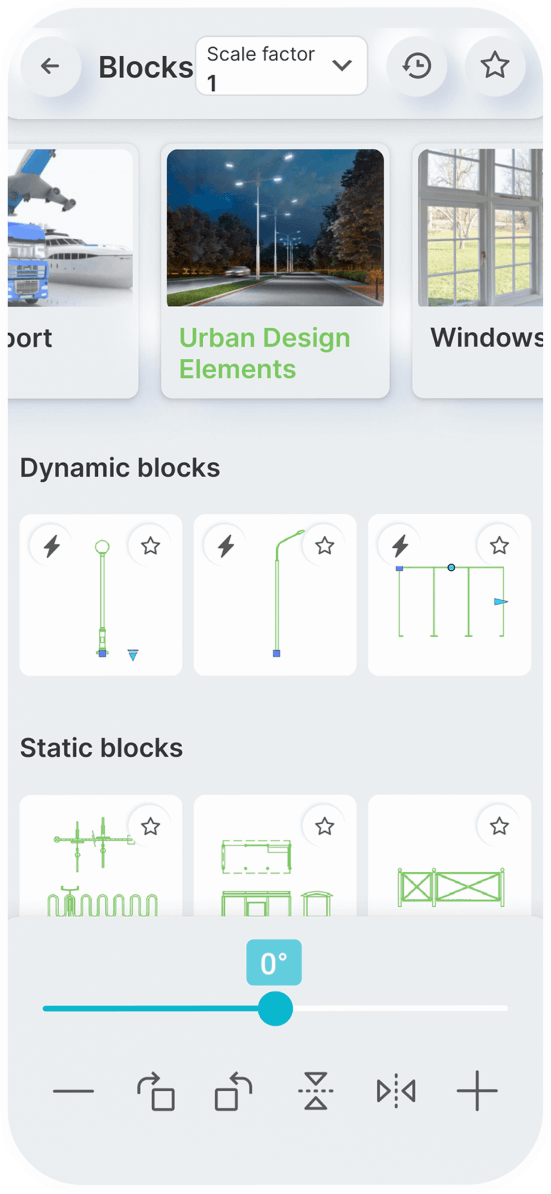
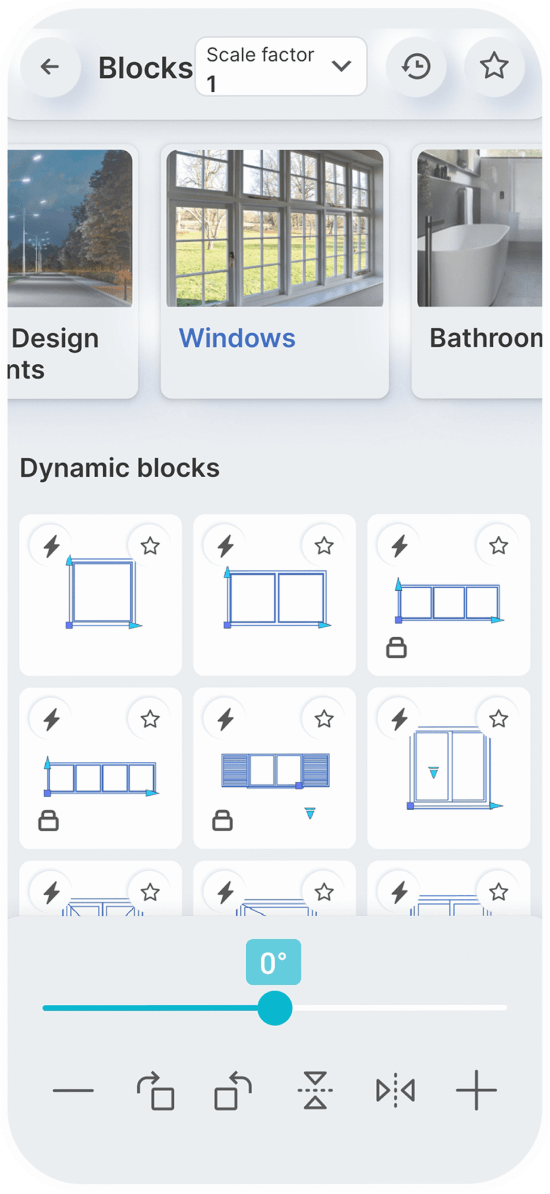
Simply speak a command to
resize or scale items.
Rapidly rotate objects or elements within the application by precisely 90 degrees.
By issuing a voice command, you can activate the mirroring effect.
You can effortlessly rotate blocks or objects within the application.
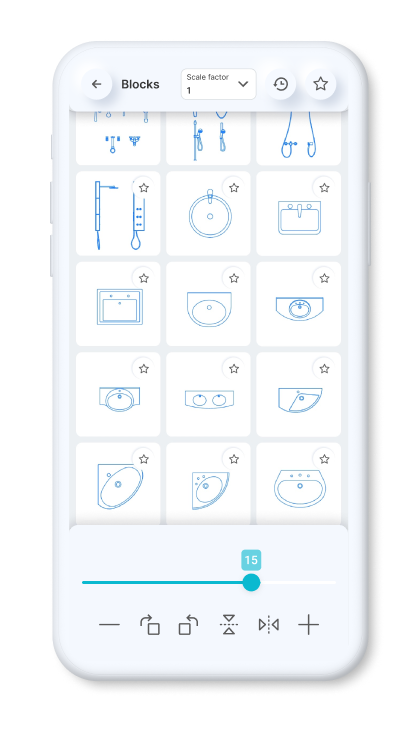
You can set a constant scale factor for your drawings to enter blocks.
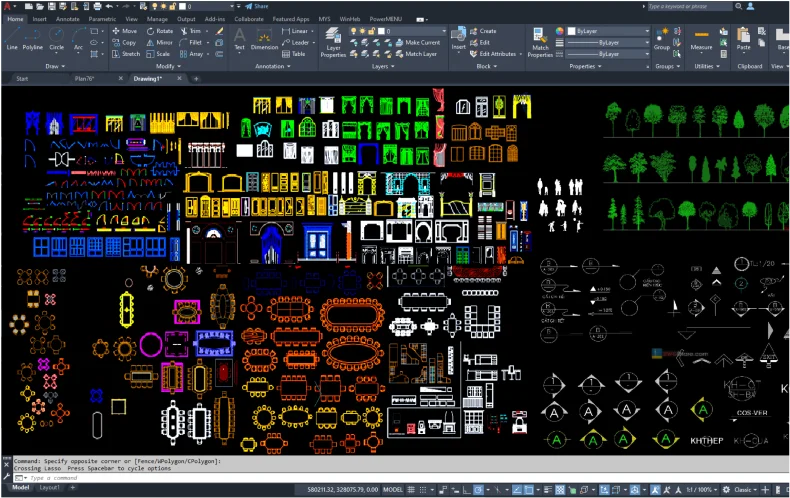
Save the blocks you want most in your favorites.
Use the history page to quickly insert the last used blocks.
Standardized American
paper sizes A, B, C, D, E
Two special vertical
formats for A3 and A4
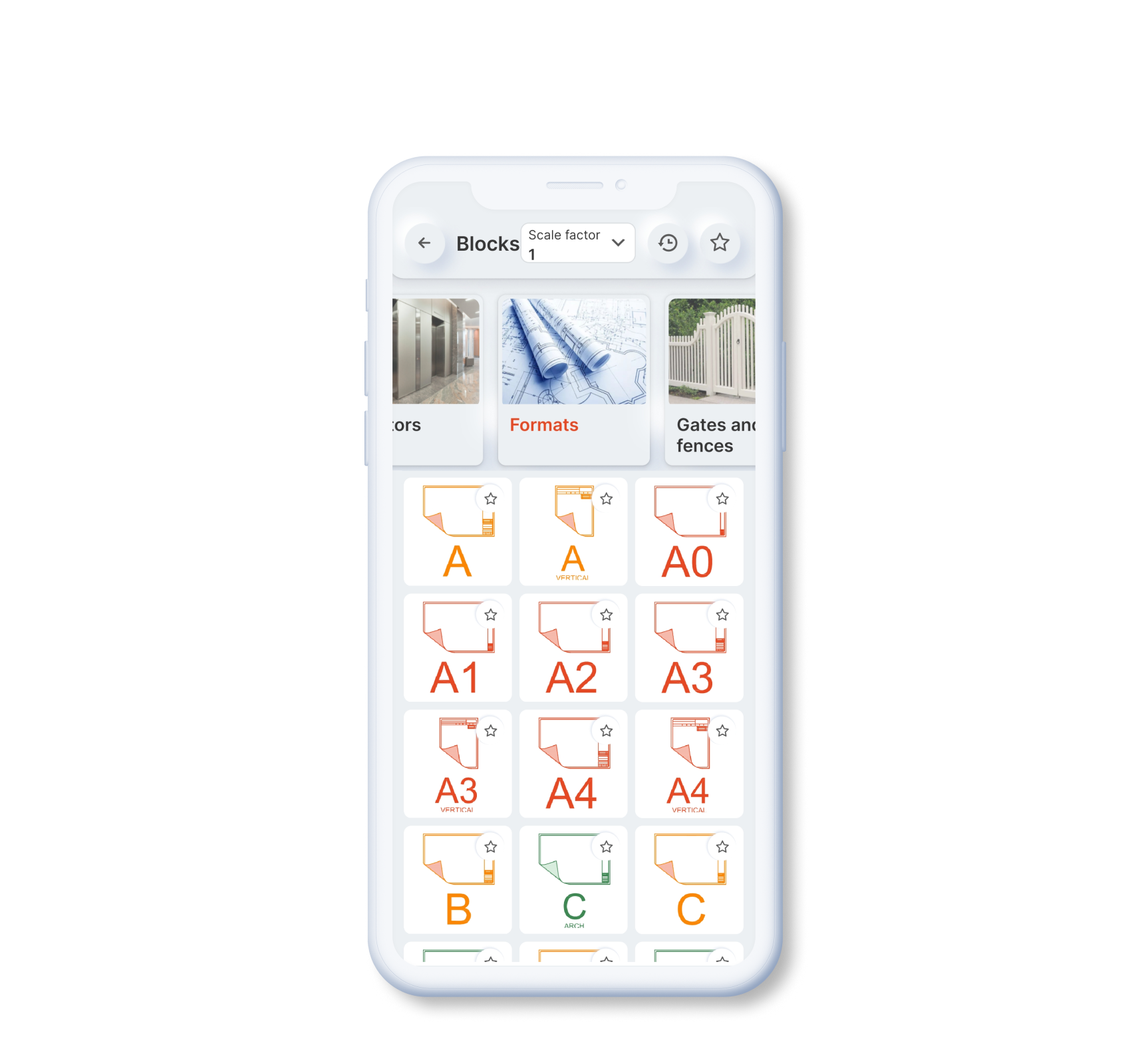
The international paper size standard is ISO 216 A4, A3, A2, A1, A0
Architectural sizes C, D, E
Moreover, the manual acts as a linguistic and cultural mediator. Technical documentation must be unambiguous, yet it is always a translation—from the original German Datenblatt into English, and from the logic of circuit design into the practical steps of a human hand. The D12-46 manual would have employed a distinct visual language: crisp line drawings, numbered terminal blocks, and timing charts that look more like music scores than engineering drawings. This visual syntax allows a trained technician in São Paulo, Düsseldorf, or Shanghai to interpret the device identically. In this sense, the manual is a passport for the component, allowing it to travel the world and function predictably in any environment. It is the Rosetta Stone of industrial automation.
Ultimately, the Siemens D12-46 manual is more than a technical document. It is a small, uncelebrated masterpiece of applied knowledge. It speaks to the human desire to control, to understand, and to make the complex reliable. In a world of disposable technology, this manual stands as a quiet argument for permanence, precision, and the dignity of clear instruction. To read it is to enter into a contract with the machine—one based not on faith, but on measured facts. And in that contract, there is a strange, beautiful order. siemens d12-46 manual
The primary function of the D12-46 manual is, of course, technical. It is the canonical source of truth for the device’s electrical ratings, pin configurations, mounting procedures, and environmental tolerances. For an engineer on a factory floor in the 1980s or 1990s, this document was as essential as a wrench. The manual would have detailed the critical parameters—input voltage windows, contact ratings in amperes, coil resistances, and switching times measured in milliseconds. Each table and waveform diagram served a singular purpose: to prevent failure. A miswired D12-46 could mean a stalled conveyor belt, a misaligned robotic arm, or, in a worst-case scenario, a short circuit that brings a production line to a grinding halt. The manual, therefore, was not a suggestion but a set of laws, written in the sober language of volts, ohms, and hertz. Moreover, the manual acts as a linguistic and
In an age defined by ephemeral touchscreens and cloud-based updates that vanish as quickly as they appear, the physical technical manual has become an unlikely artifact—a testament to a time when complexity demanded a tangible guide. Among these relics of industrial precision sits the Siemens D12-46 Manual . At first glance, it is merely a booklet of specifications and diagrams for a specific electromechanical component, likely a relay or a power supply module from Siemens’ vast industrial automation catalog. But to dismiss it as a simple instruction sheet is to overlook its true nature. This manual is a silent blueprint of order, safety, and the philosophical bridge between human intent and machine execution. This visual syntax allows a trained technician in