Reset Kaspersky Trial < TESTED - 2024 >
Our mission is to improve the design process for architects and engineers. By improving the comfort of work, using a fast and intuitive interaction with the software.
GET NOW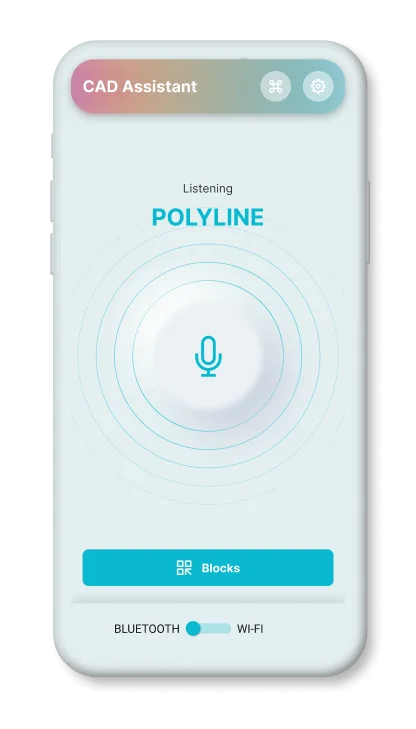
Our mission is to improve the design process for architects and engineers. By improving the comfort of work, using a fast and intuitive interaction with the software.
GET NOW
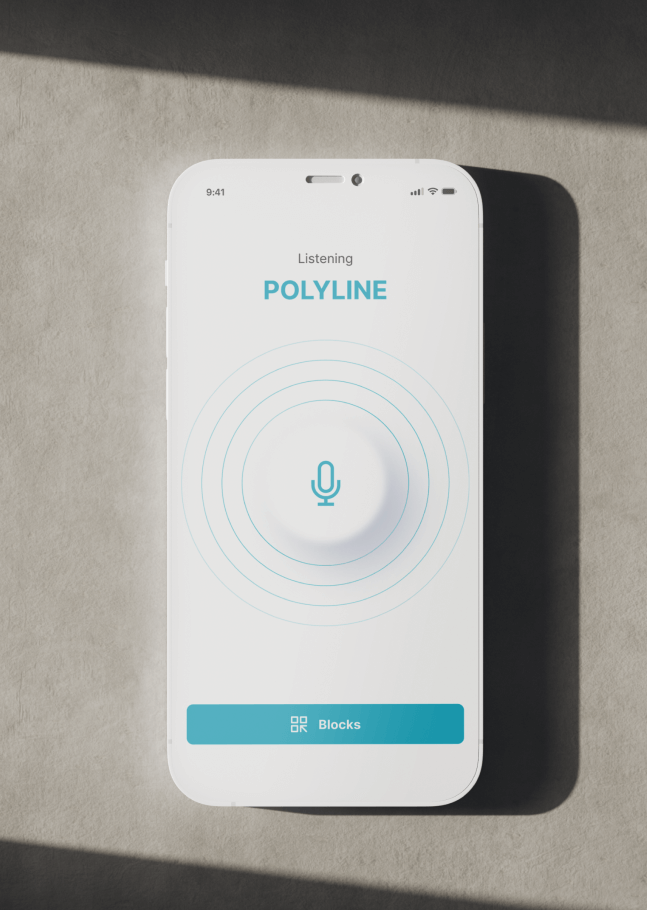
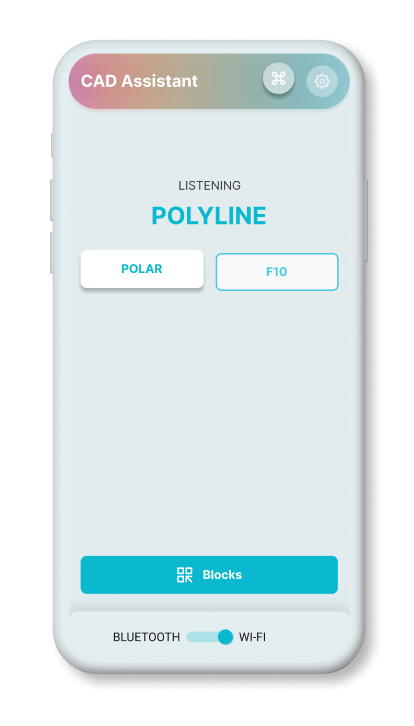
a mobile application that can execute the user's voice commands in AutoCAD






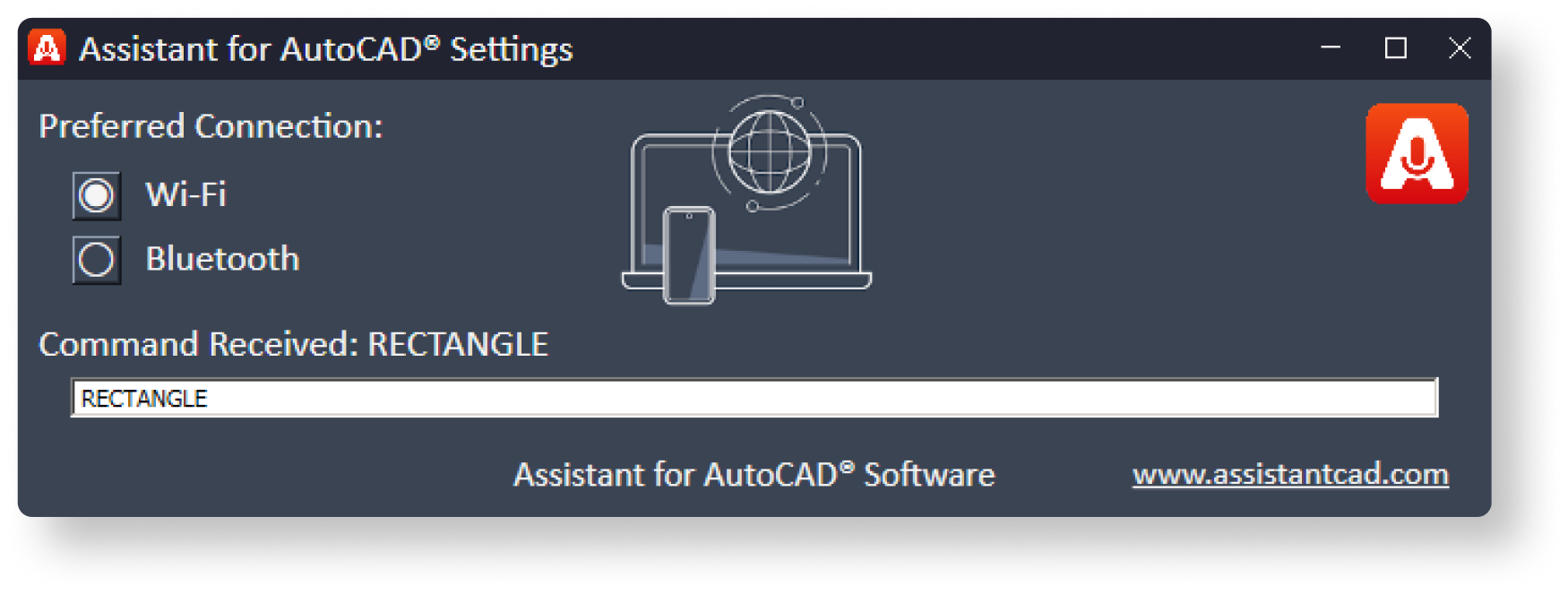
Works via Wi-Fi

runs in the background

Works via Bluetooth

Supports operation
via a headset (audio)
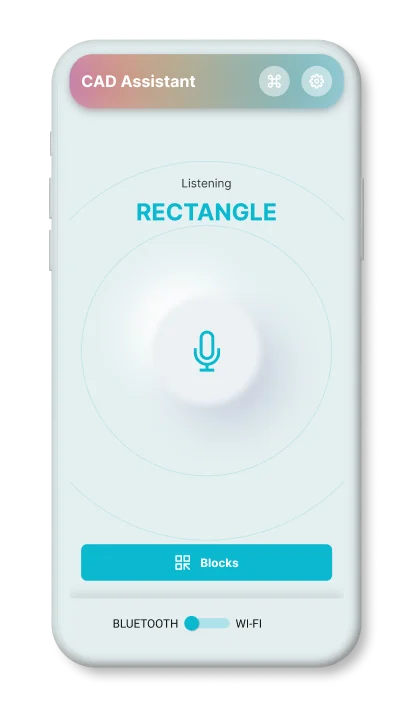
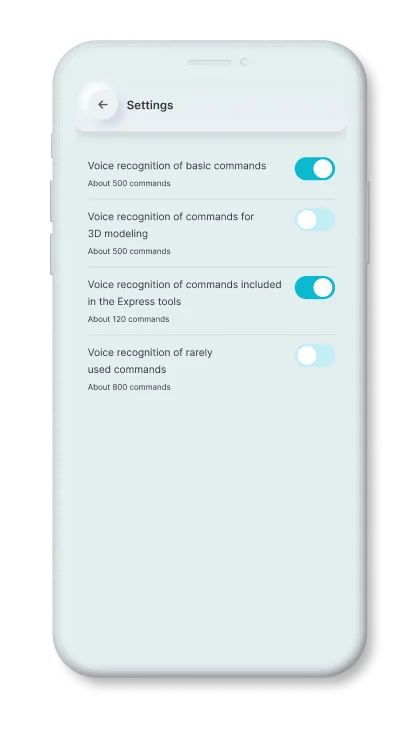
 500+
500+
Basic commands
that are used most often.
 120+
120+
Express
tool commands.
 100+
100+
Commands
for 3d modeling.
 800+
800+
Rarely used
AutoCAD commands

The first tool to manually improve the commands, for this he needs to record the command in his voice.
In this way, the engine will know and take into account the individual peculiarities of the pronunciation of the given command.
1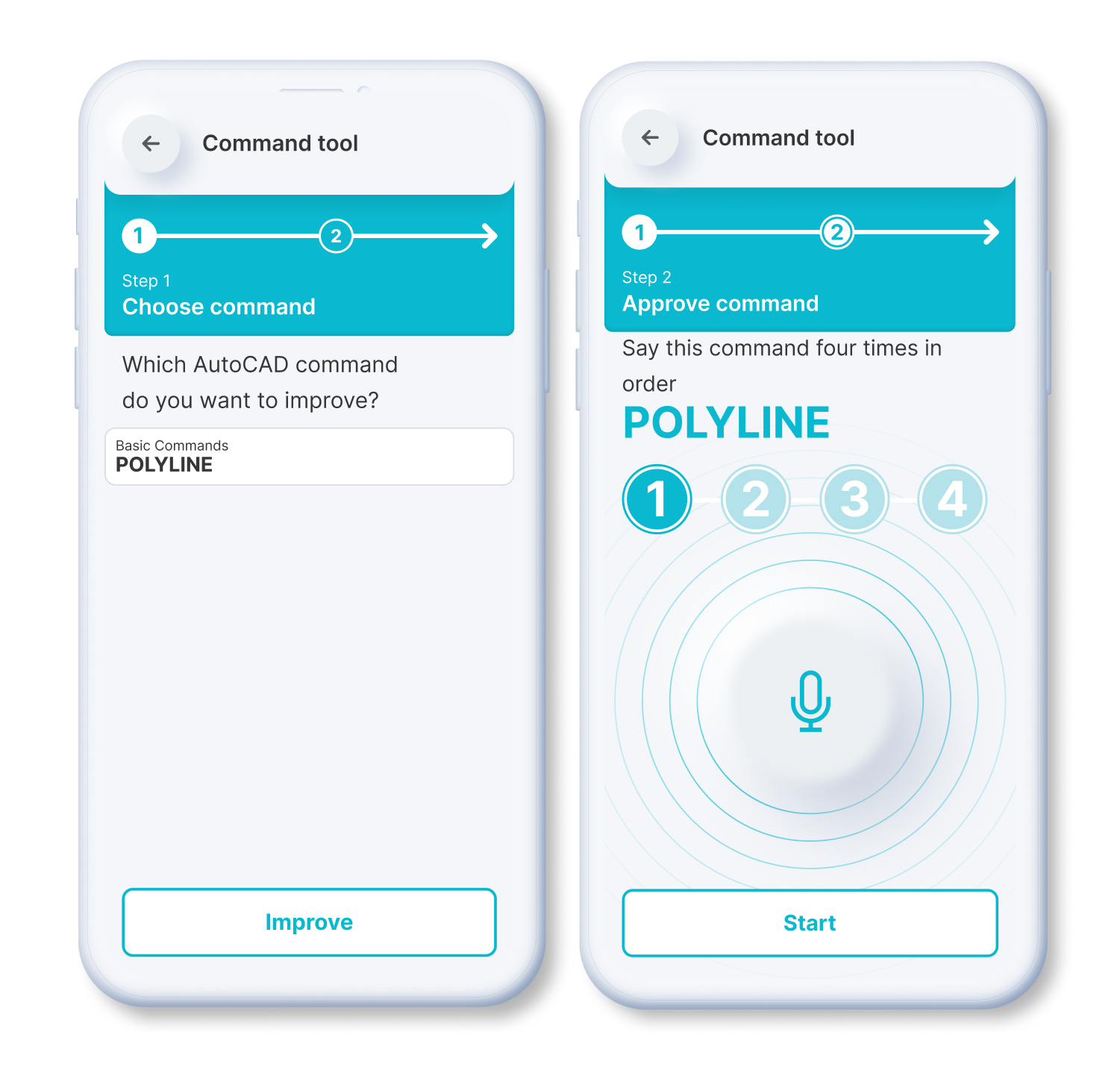
If the recognition engine algorithm is not confident in determining the correct command, it will offer to choose from the appropriate options.
The application then saves the user's choice, and will take that result into account at a later time. In this way, the engine is fine-tuned to the individual peculiarities of pronunciation.
2 1290+
1290+
Static Blocks
 210+
210+
Dynamic Blocks
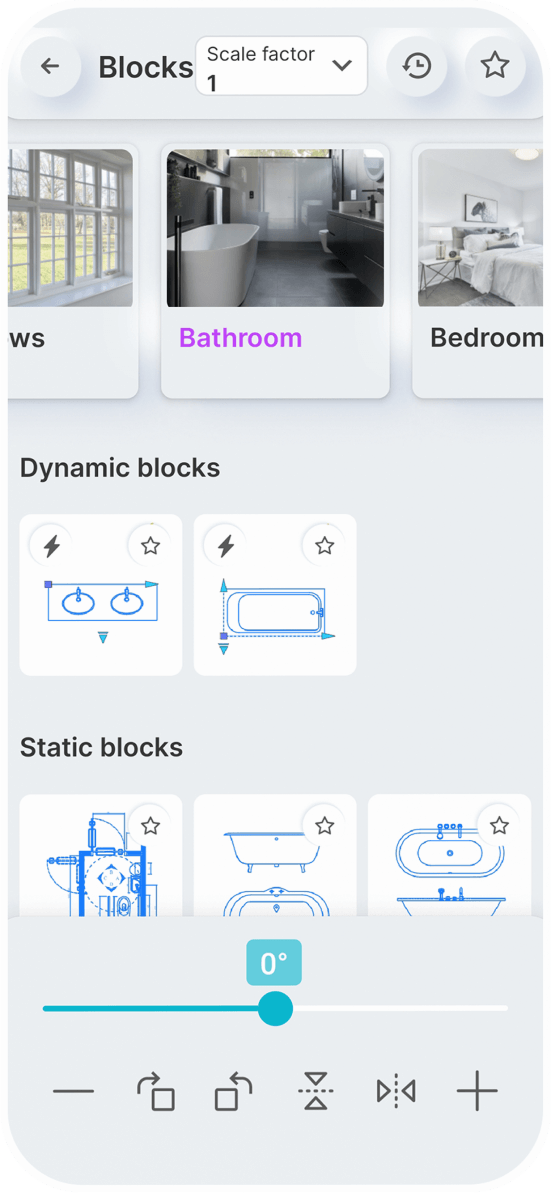
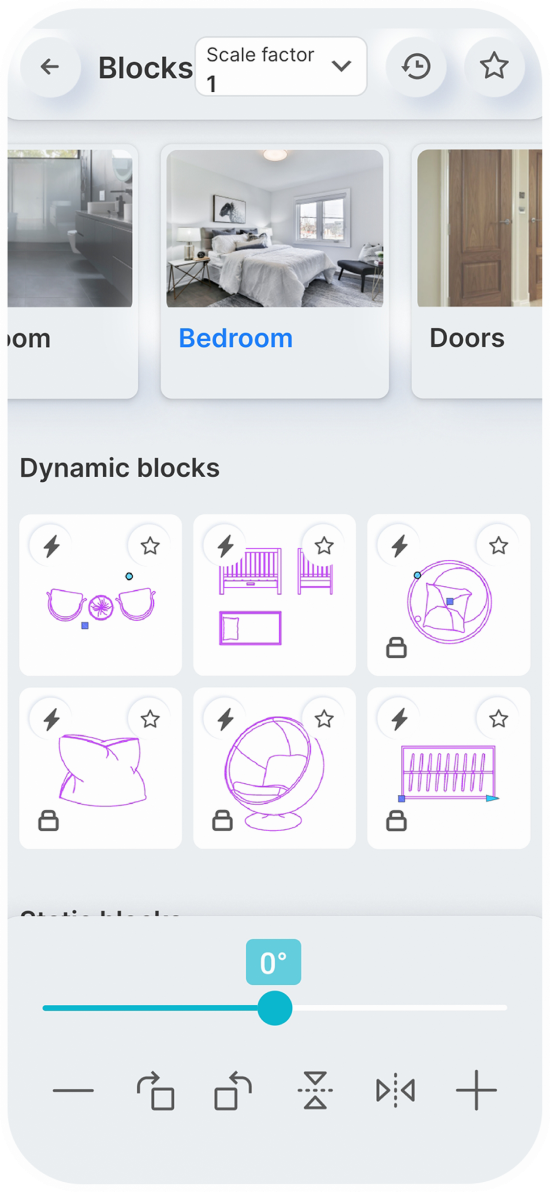
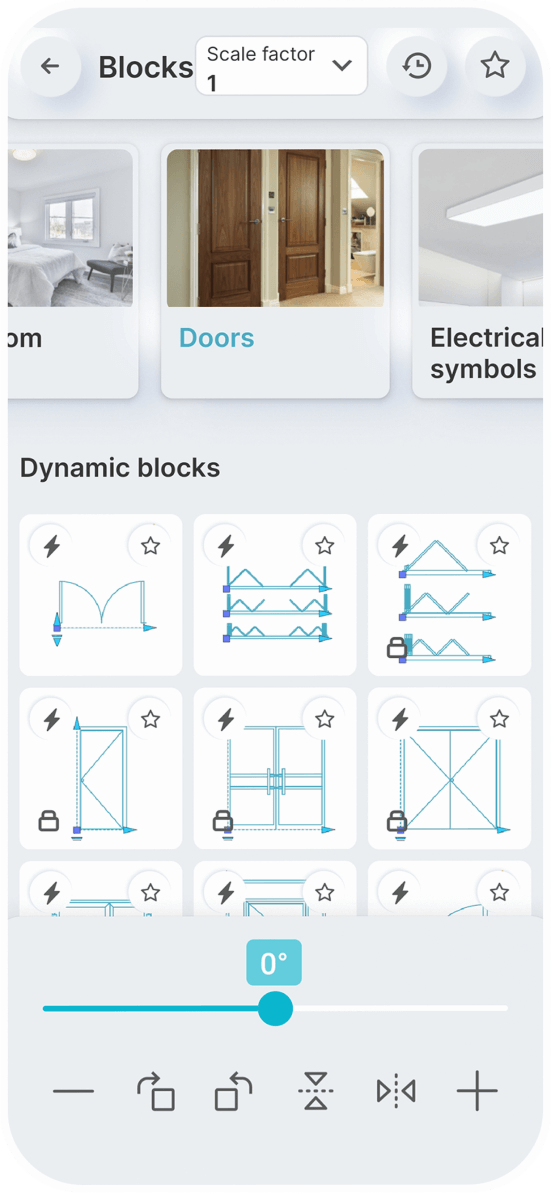
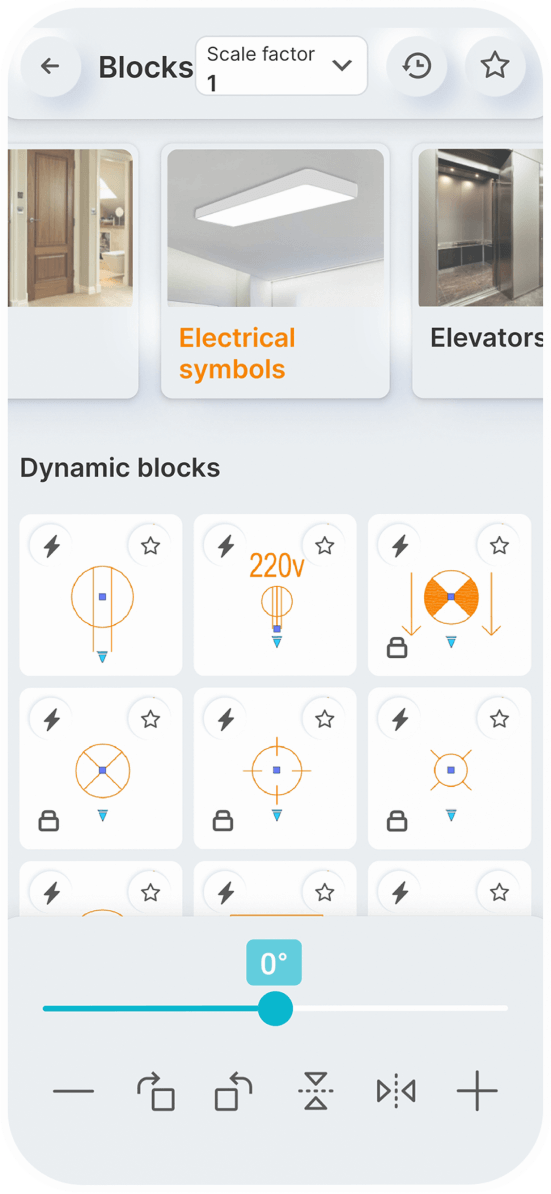
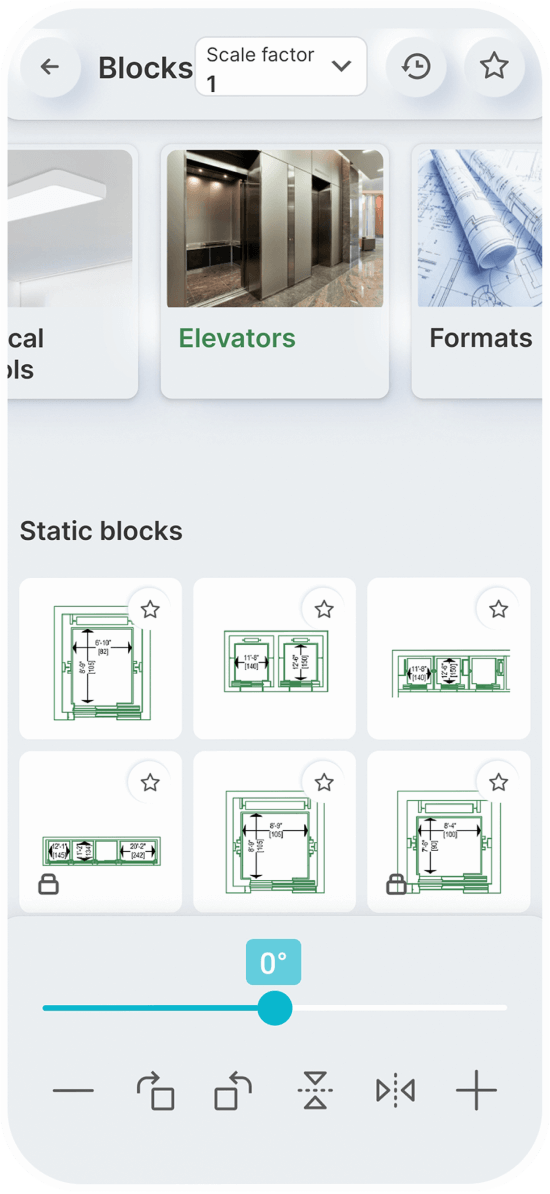
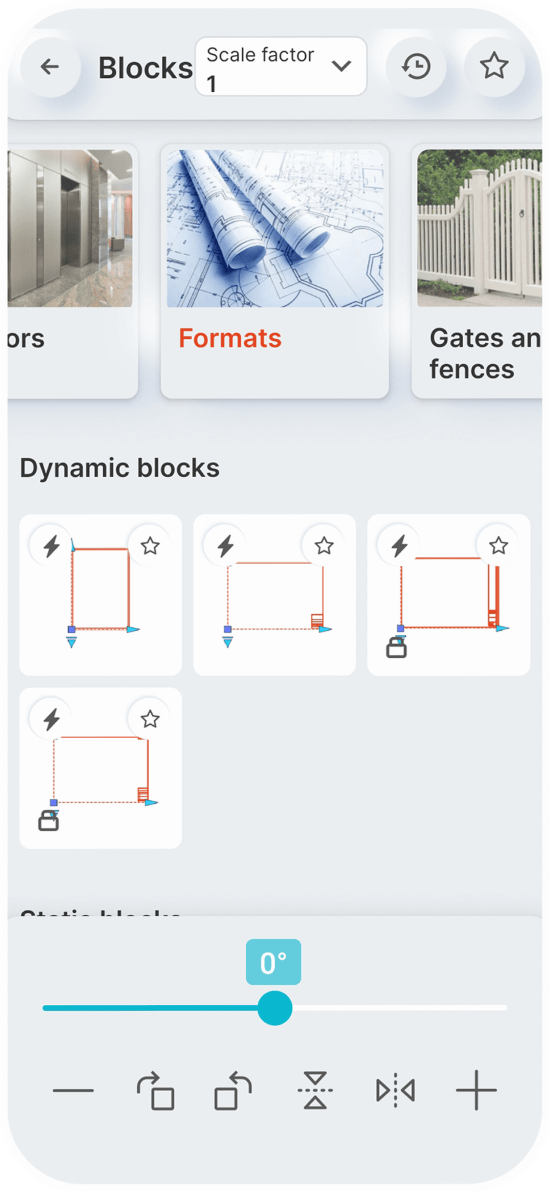
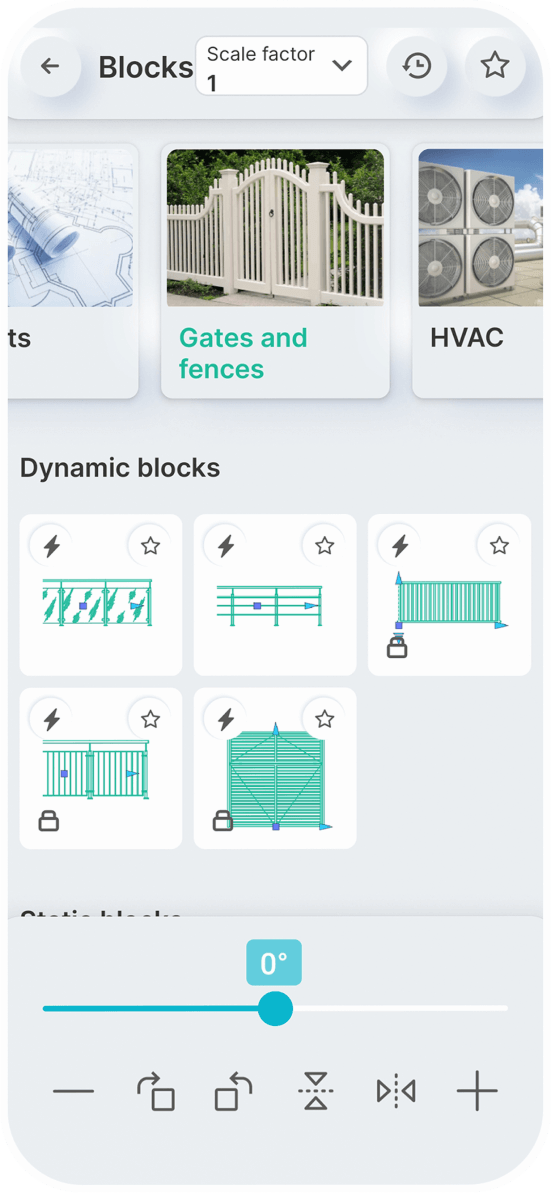

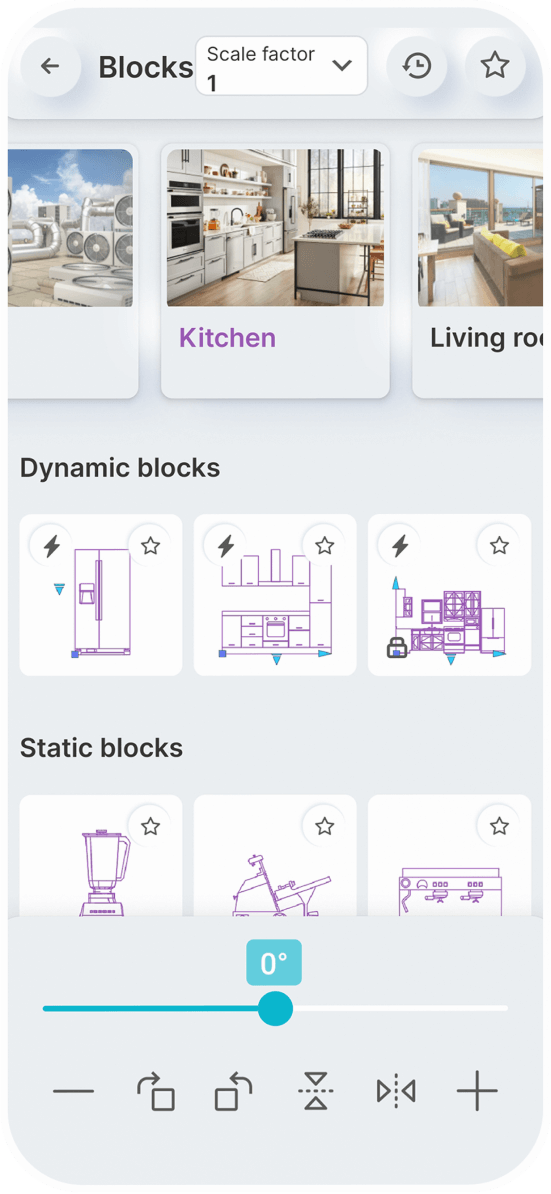
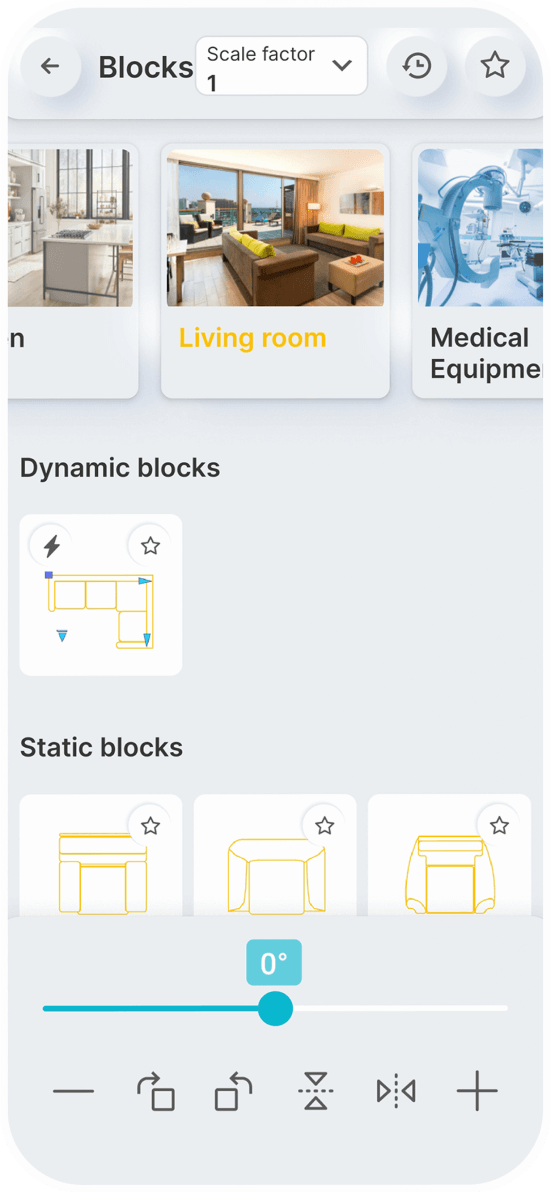
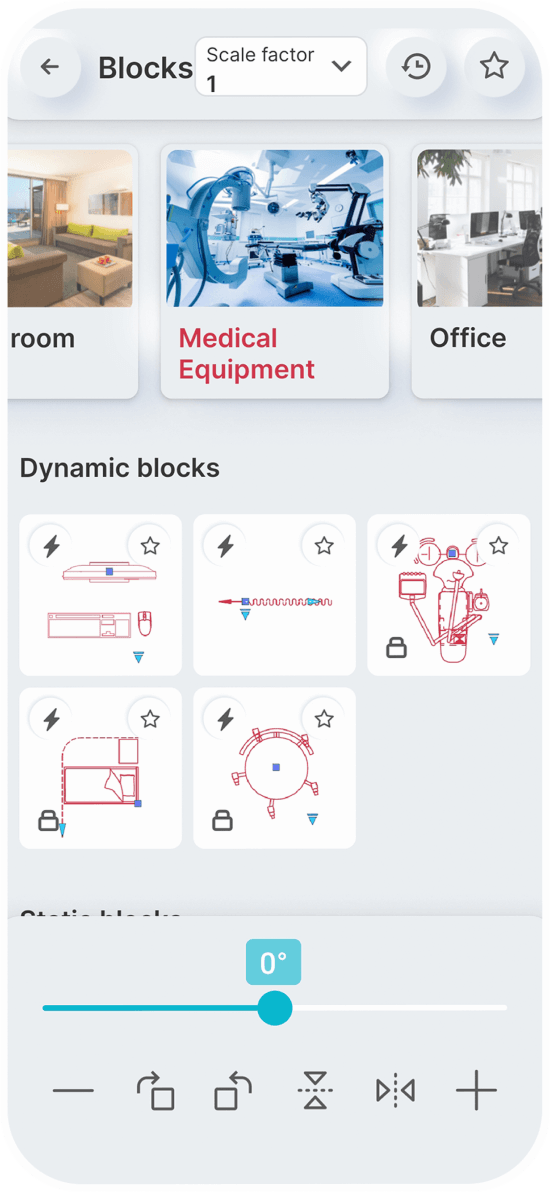
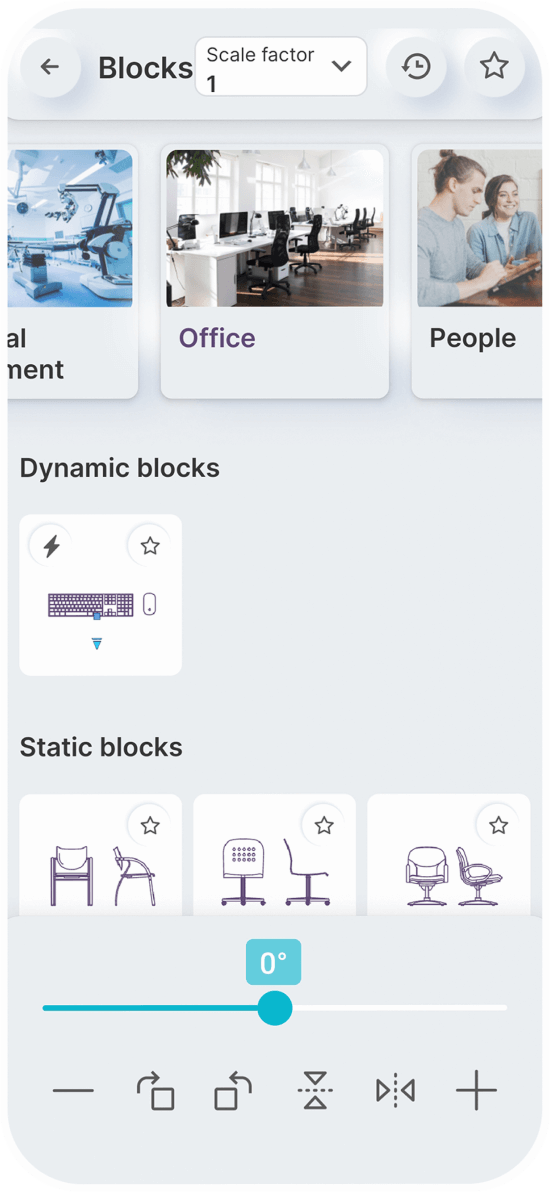
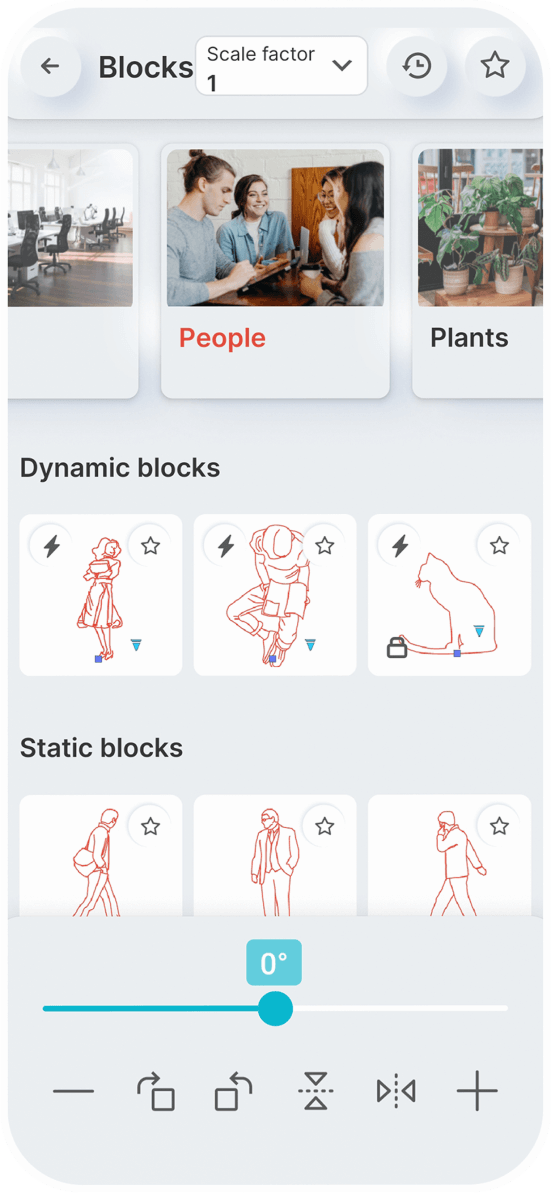
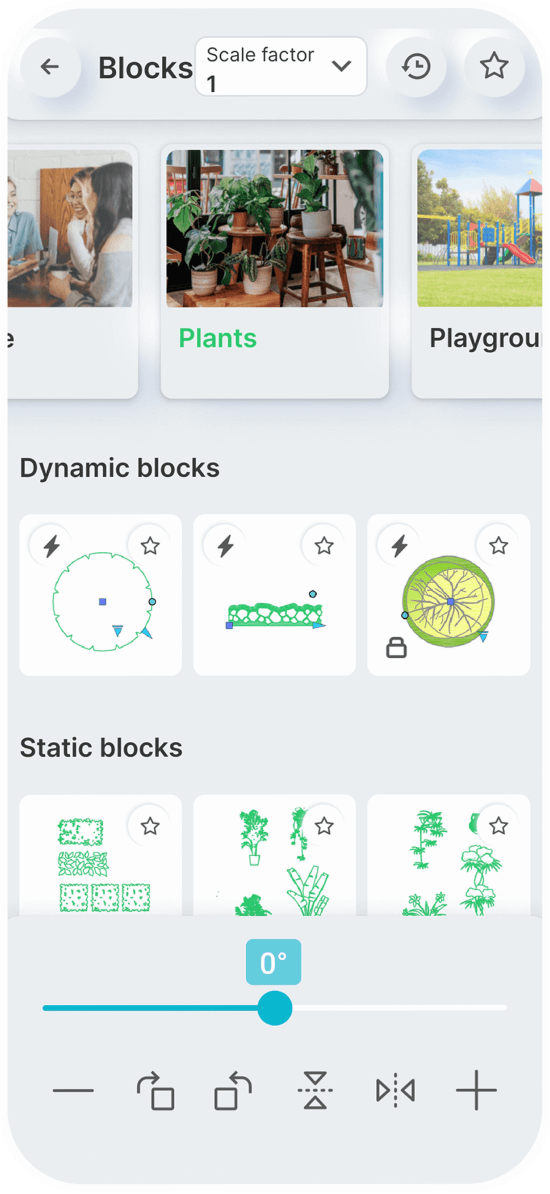
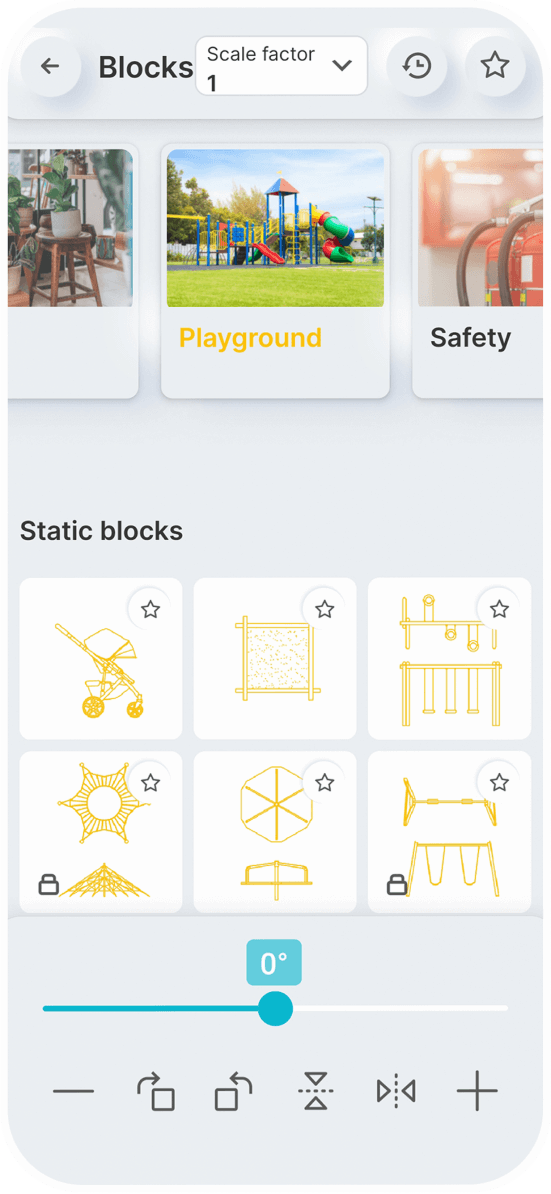
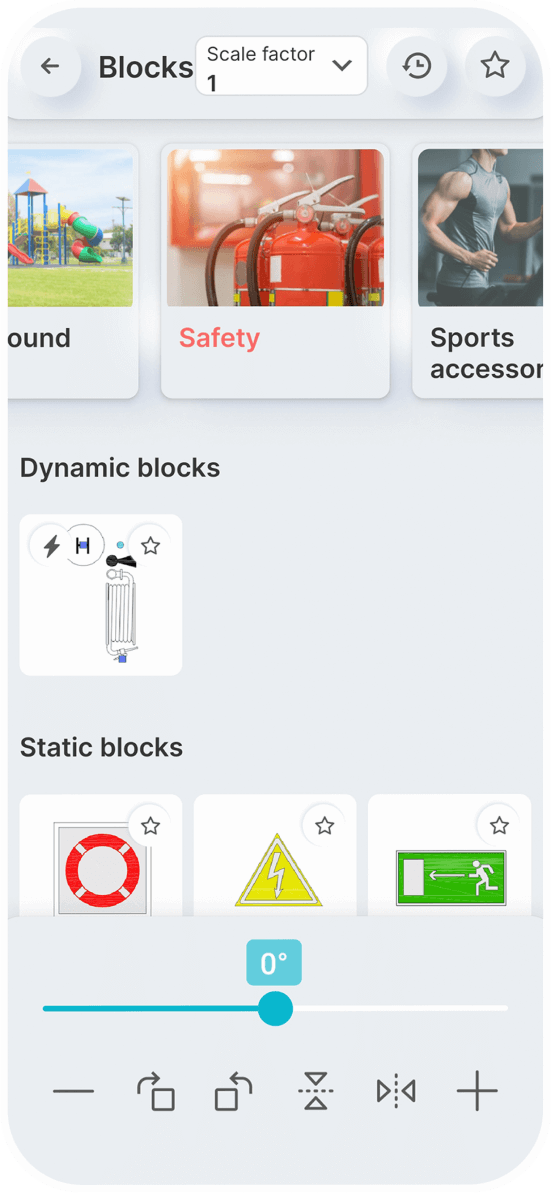
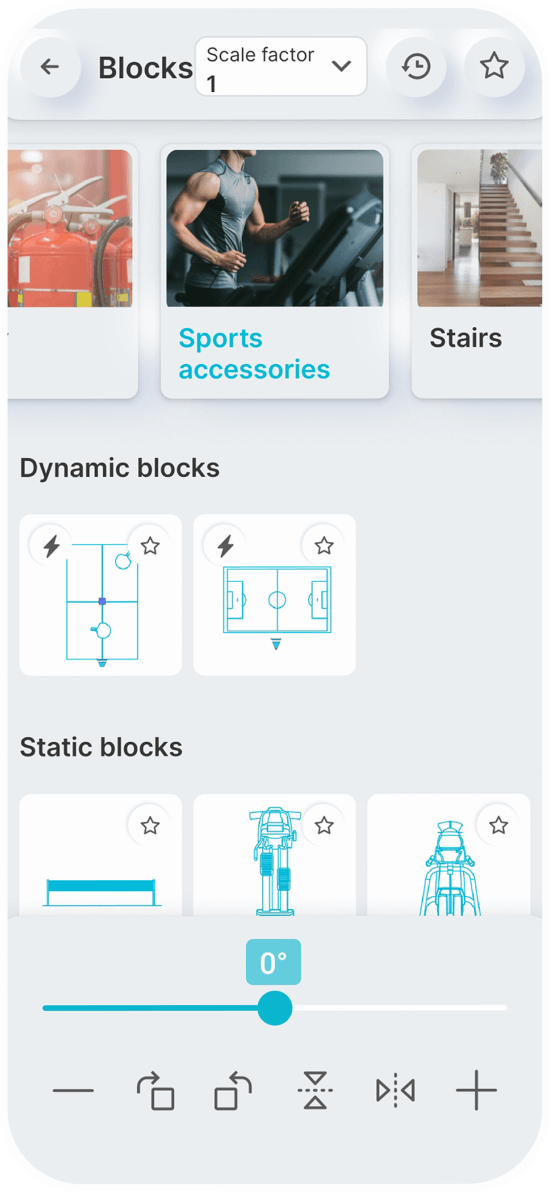


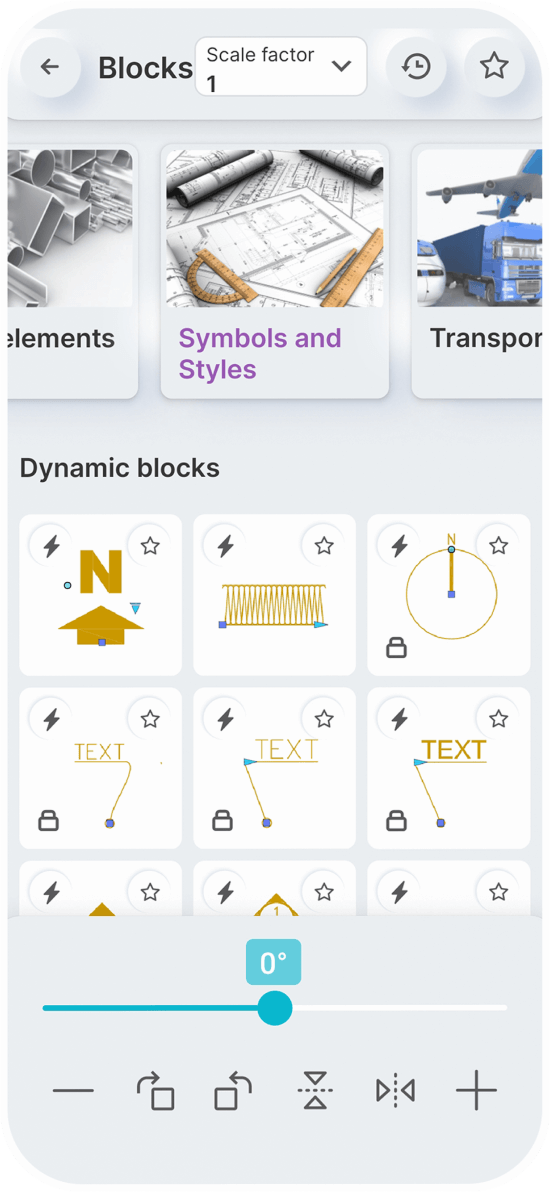
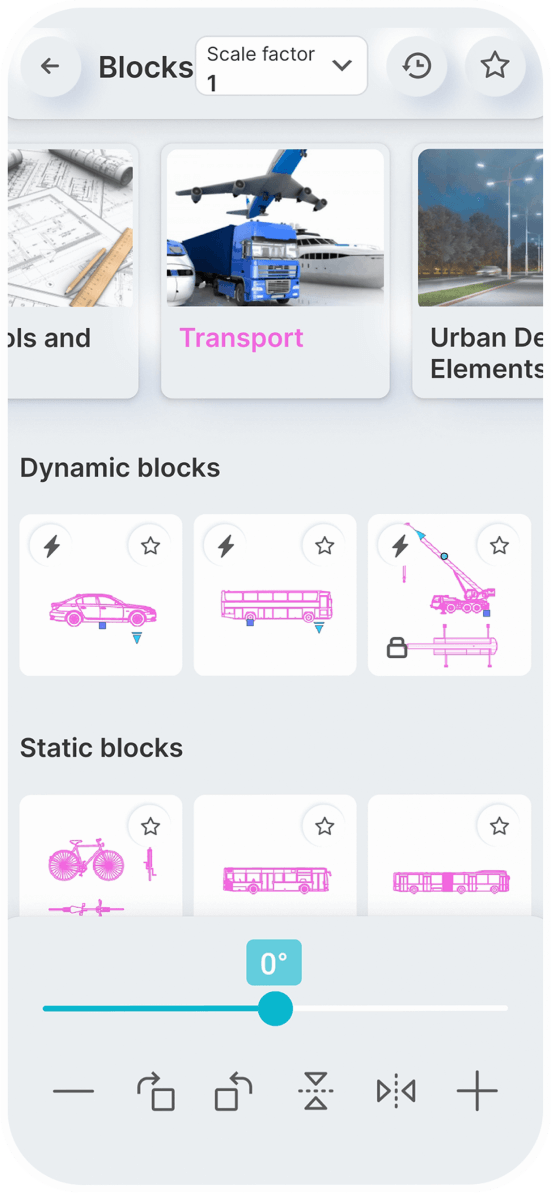
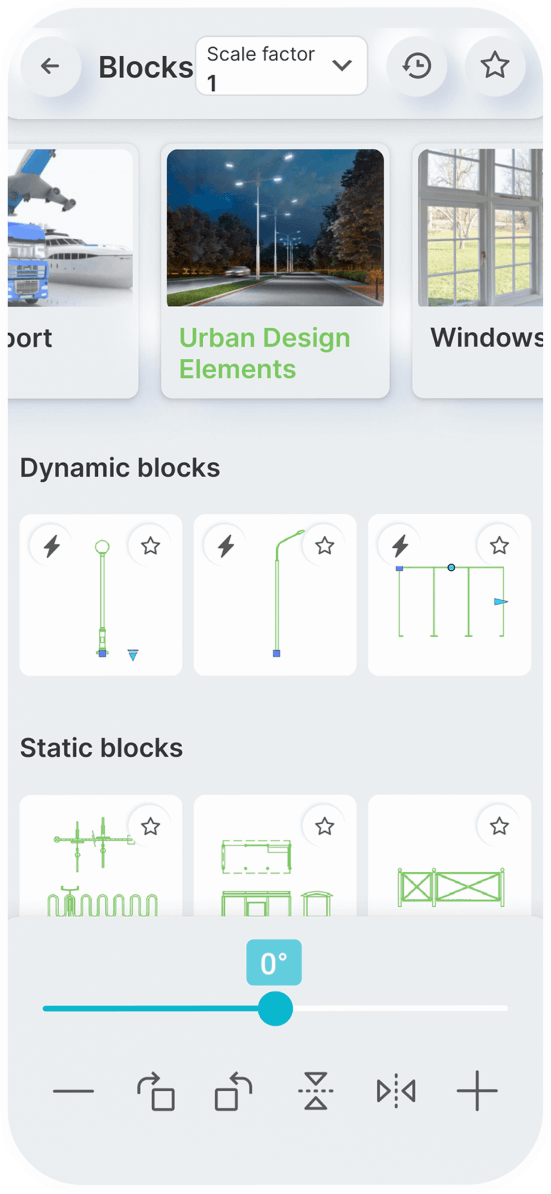

Simply speak a command to
resize or scale items.
Rapidly rotate objects or elements within the application by precisely 90 degrees.
By issuing a voice command, you can activate the mirroring effect.
You can effortlessly rotate blocks or objects within the application.
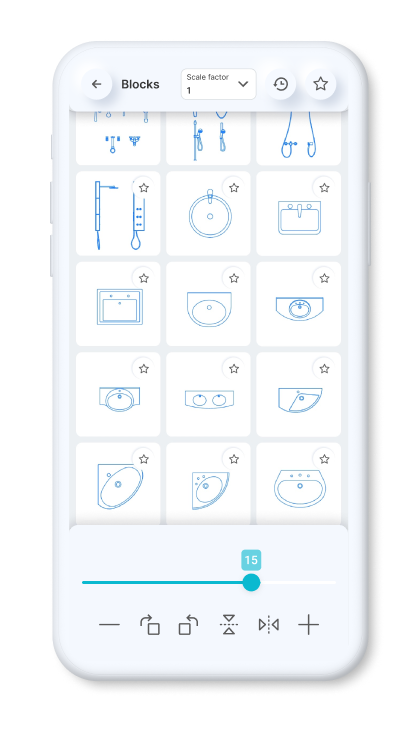
You can set a constant scale factor for your drawings to enter blocks.
Save the blocks you want most in your favorites.
Use the history page to quickly insert the last used blocks.
Standardized American
paper sizes A, B, C, D, E
Two special vertical
formats for A3 and A4
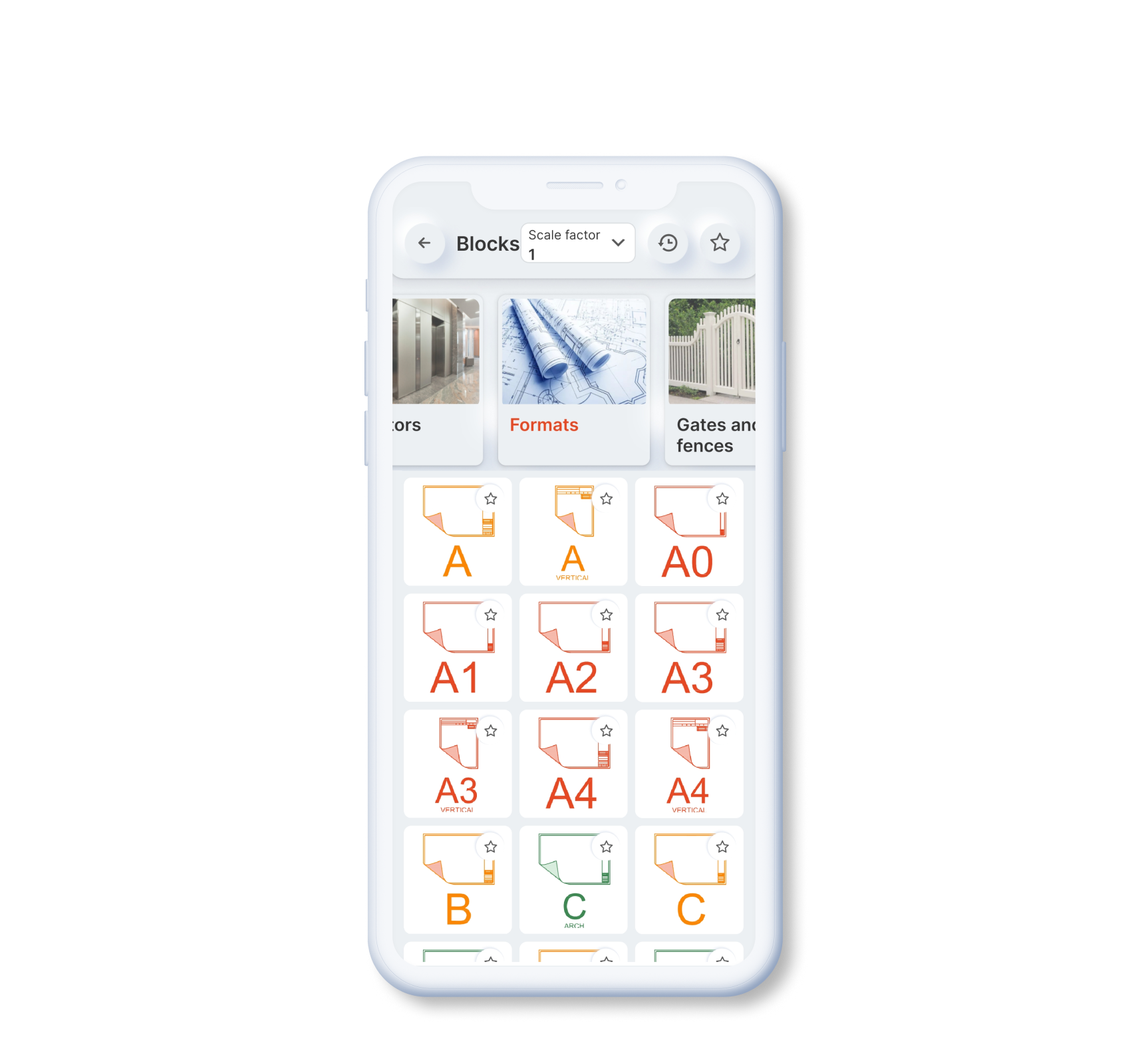
The international paper size standard is ISO 216 A4, A3, A2, A1, A0
Architectural sizes C, D, E
However, the legality and ethics of this practice are far from gray—they are largely black and white. Resetting a trial is a direct violation of Kaspersky’s End User License Agreement (EULA). When a user clicks "I Agree," they enter a binding contract to use the trial for evaluation purposes only, once per machine. By circumventing this, the user is committing software piracy. Ethically, the argument for resetting often hinges on financial hardship or the belief that security software should be free. Yet, this overlooks a critical reality: Kaspersky’s threat detection network relies on continuous revenue to fund research, update virus definitions in real-time, and employ security analysts. Every reset exploited represents a loss of potential income that funds the very protection the user seeks. While a student or low-income user might feel justified in resetting a trial to stay safe, they are, paradoxically, undermining the economic model that creates that safety.
Technically, resetting the Kaspersky trial is a process of registry manipulation and system deception. When a user installs Kaspersky, the software writes specific encrypted keys into the Windows Registry, noting the installation date and the remaining trial grace period. Once the 30 days expire, the software locks premium features. To reset the trial, a user must uninstall the product, delete specific residual registry entries (often hidden), and remove "digital fingerprints" such as unique machine IDs or hardware hashes. Advanced methods involve using third-party "trial resetter" tools that automate this process, effectively tricking Kaspersky’s servers into believing the software is being installed on a new, never-before-used computer. Some methods also require blocking the application’s outgoing connections via a firewall to prevent it from phoning home to verify the license status. This process is not for the casual user; it requires navigating regedit , safe mode, and understanding system file structures. Reset Kaspersky Trial
In the modern digital ecosystem, cybersecurity software is as essential as the operating system it protects. Kaspersky, a global leader in antivirus solutions, offers a robust suite of tools designed to thwart malware, ransomware, and phishing attacks. To entice users, Kaspersky provides a fully functional trial period—typically 30 days. However, the finite nature of this trial has led to a widespread and controversial practice: resetting the trial period. While technically feasible, resetting a Kaspersky trial sits at a complex intersection of technical loopholes, legal boundaries, and ethical pragmatism. Understanding how this is done reveals not only the technical cat-and-mouse game between developers and users but also the underlying value of software in the fight against cyber threats. However, the legality and ethics of this practice
In conclusion, resetting the Kaspersky trial is a technically intriguing but ultimately shortsighted practice. While the steps to manipulate registry keys and system identifiers can be learned, the process is a losing battle; antivirus vendors continuously update their software to close these loopholes, forcing resetters into an endless, frustrating cycle. The true cost of resetting is not just the time spent troubleshooting broken resets, but the ethical compromise of devaluing digital labor. In an era where cyber threats are more sophisticated than ever, the most secure and sustainable path is not to cheat the trial, but to either embrace a legitimate free alternative or support the developers by purchasing the product that protects our digital lives. Security should be a partnership, not a heist. By circumventing this, the user is committing software
Given the risks—including voided support, potential malware from untrusted reset tools, and legal liability—alternative solutions are far more viable. First, Kaspersky itself offers a free tier: . While it lacks the advanced features of Internet Security or Total Security (such as a VPN, password manager, or parental controls), it provides essential real-time antivirus protection that is sufficient for many home users. Second, rather than resetting, a user can simply uninstall Kaspersky and switch to another reputable free antivirus like Bitdefender Free or Microsoft Defender (which is pre-installed on Windows 10 and 11 and has become a world-class antivirus in its own right). Finally, for those committed to Kaspersky’s premium suite, purchasing a legitimate license—often available at deep discounts on third-party retailers—provides peace of mind, automatic updates, and legal protection, removing the constant hassle of a 30-day reset cycle.