Trailer & Screenshots
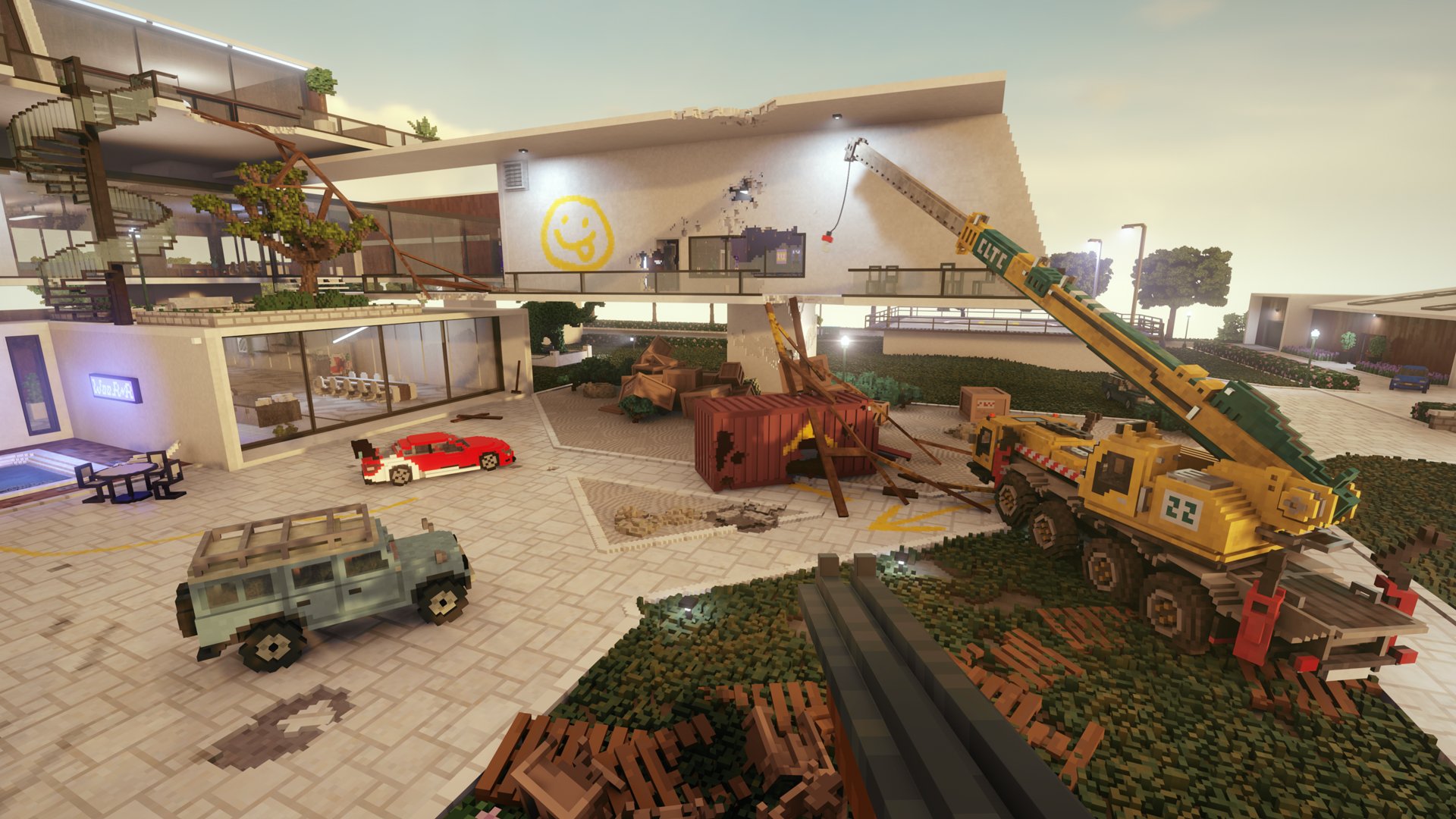
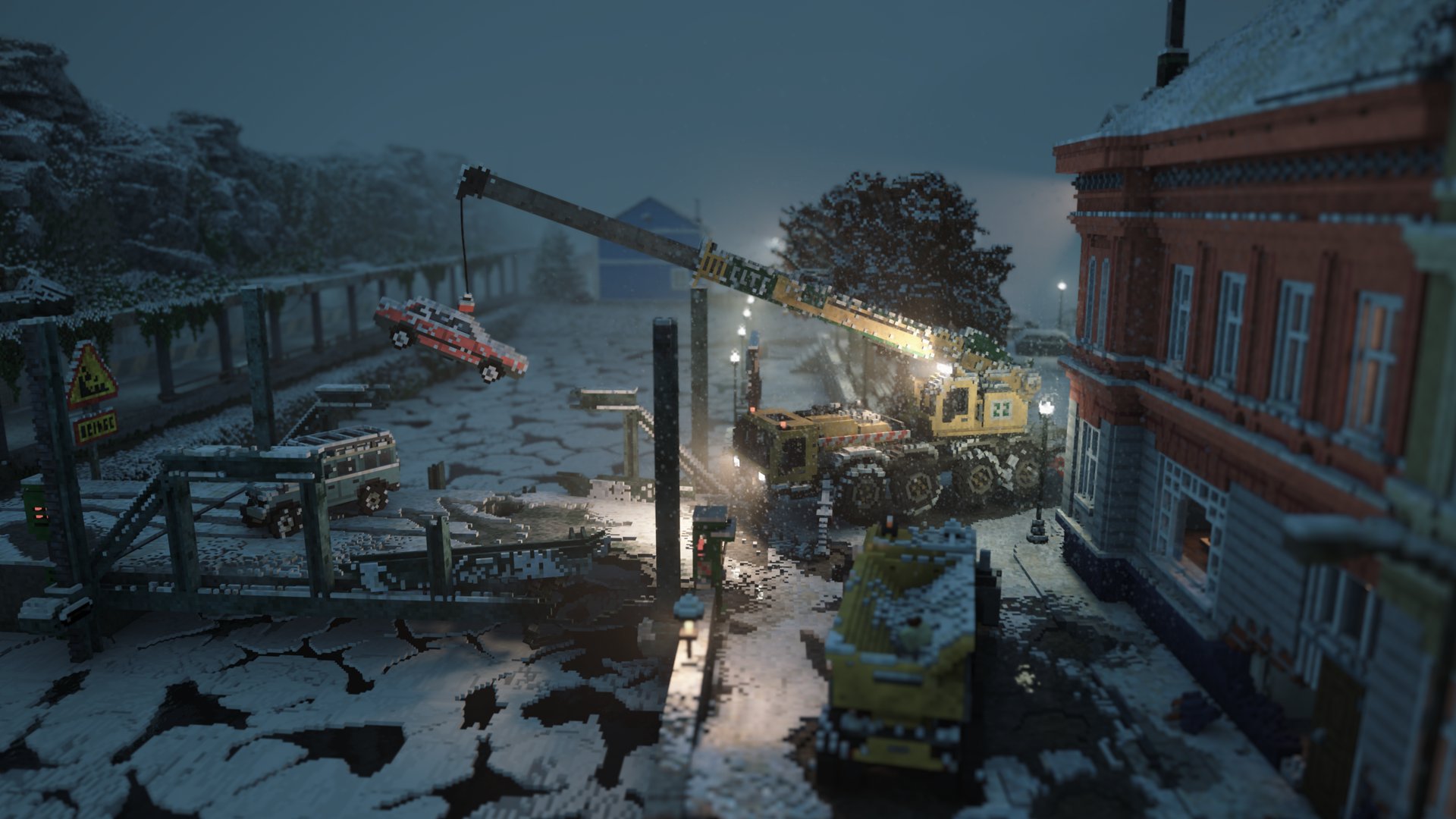
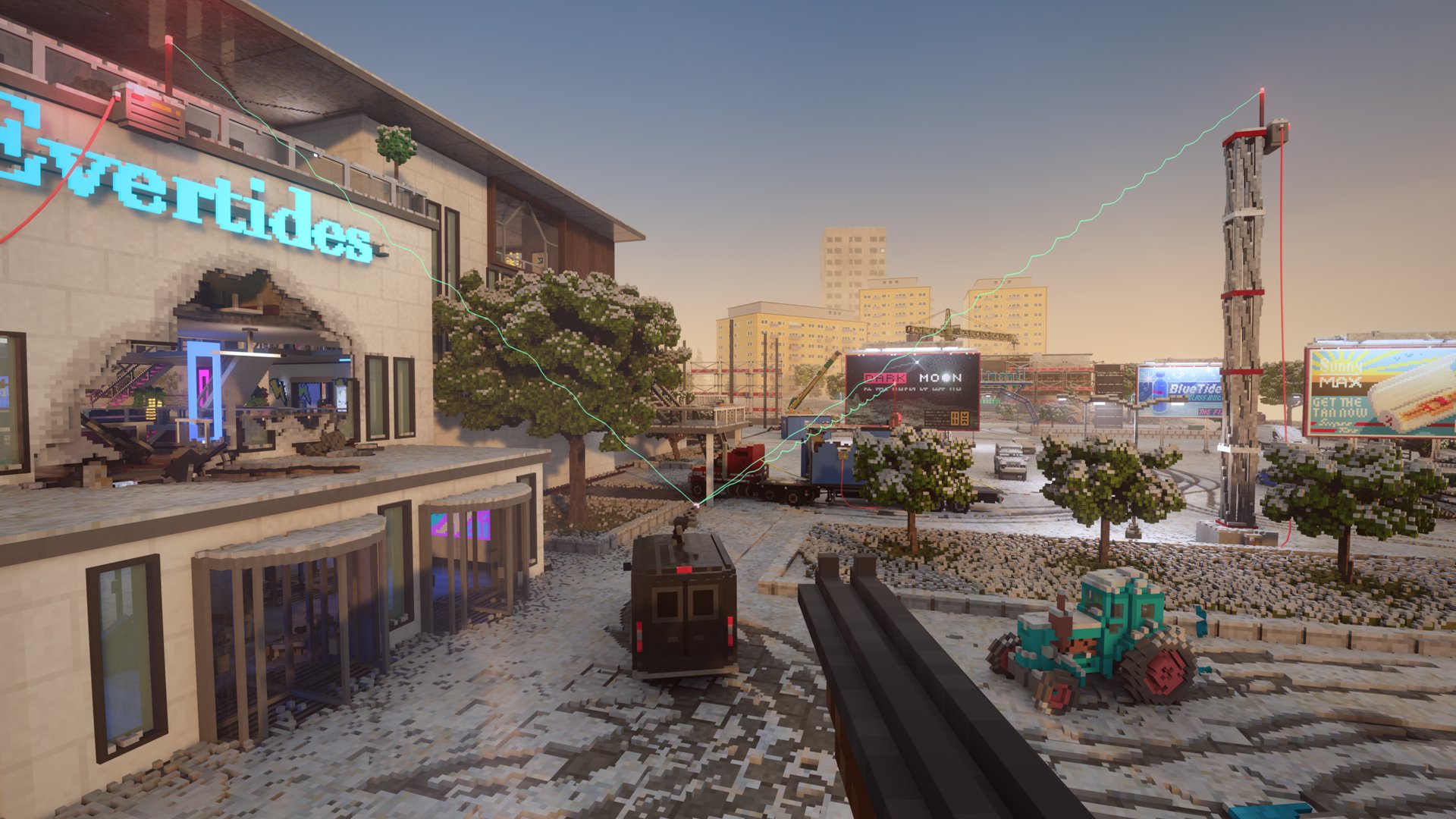
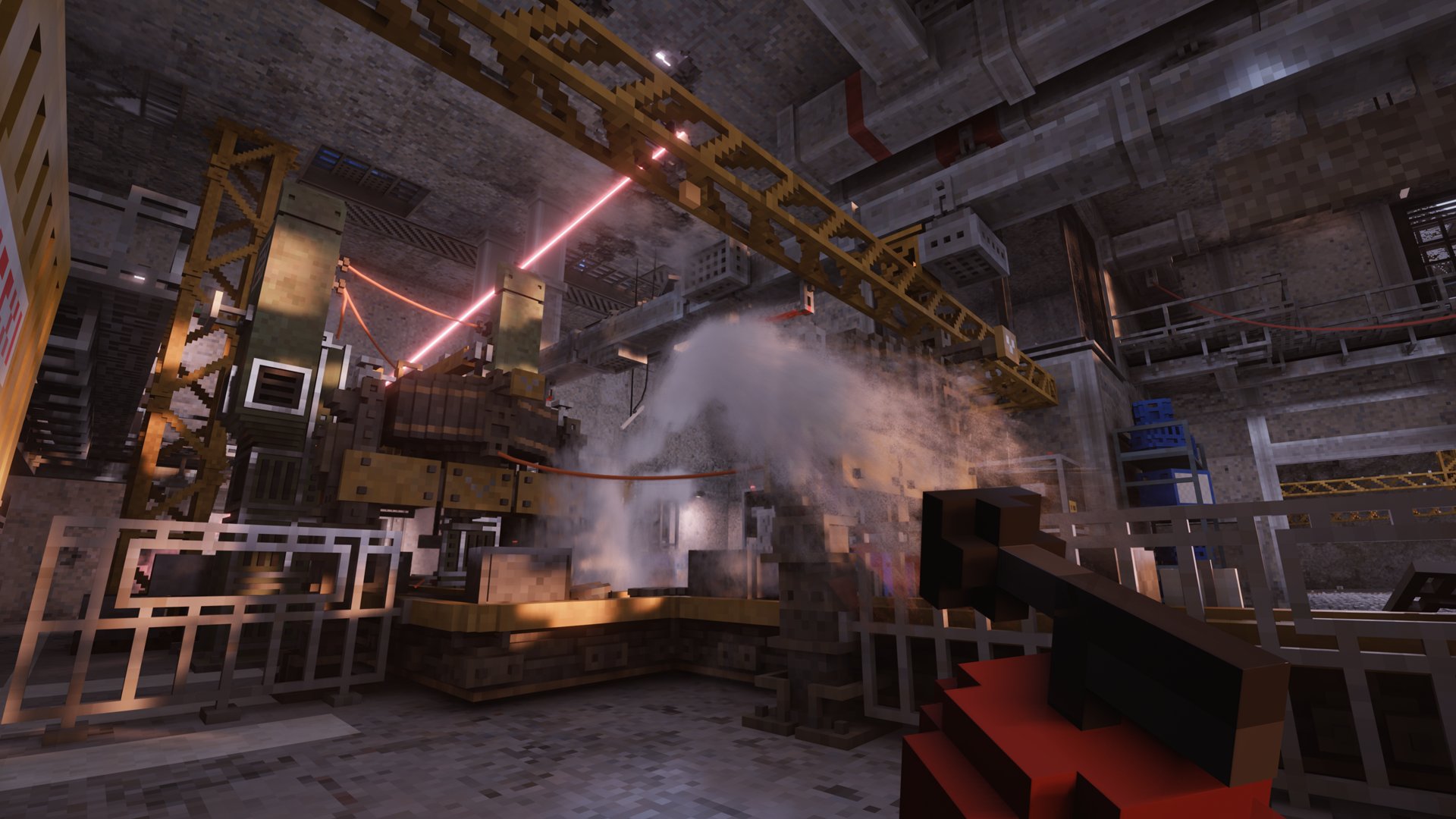
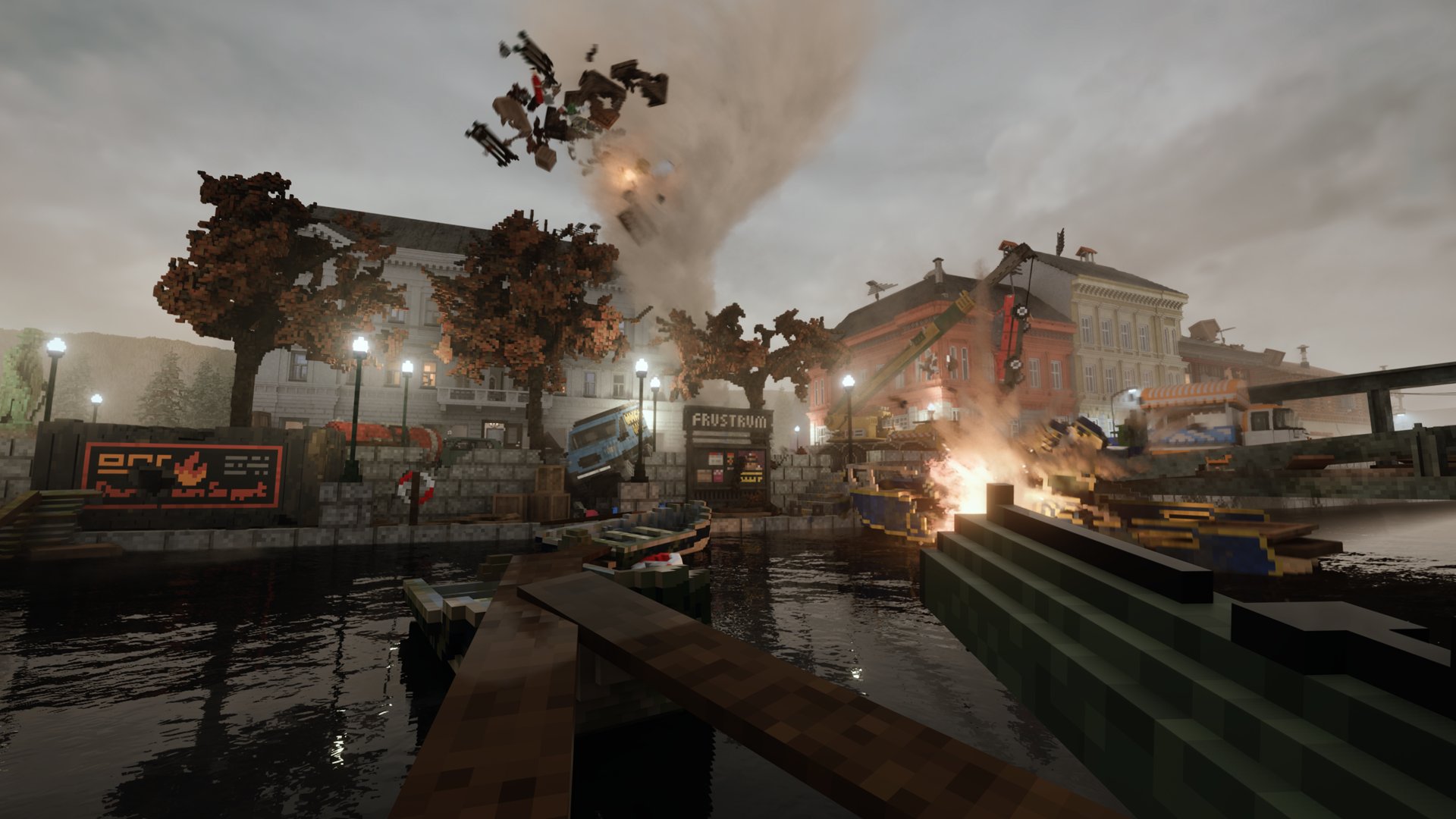
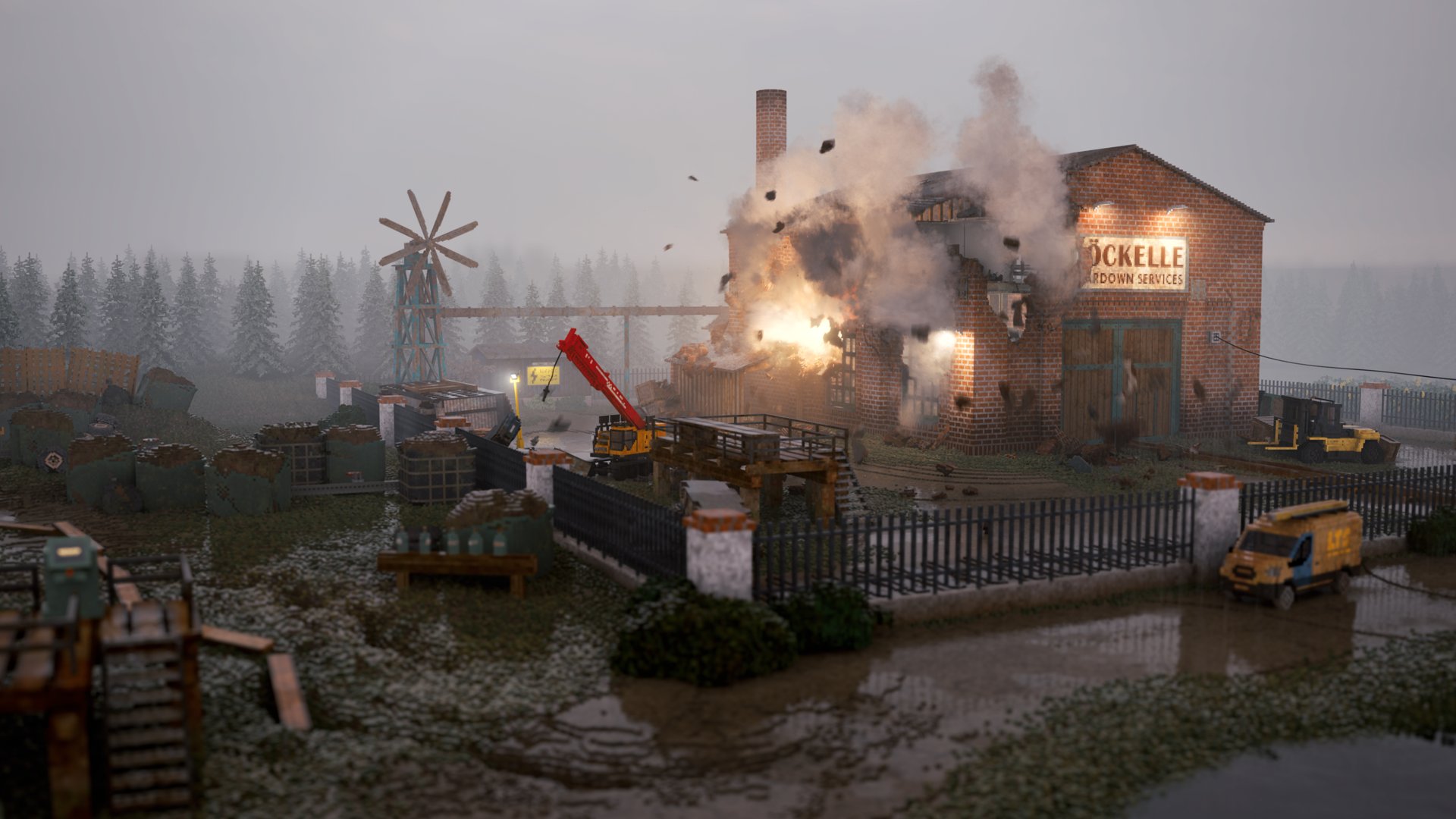
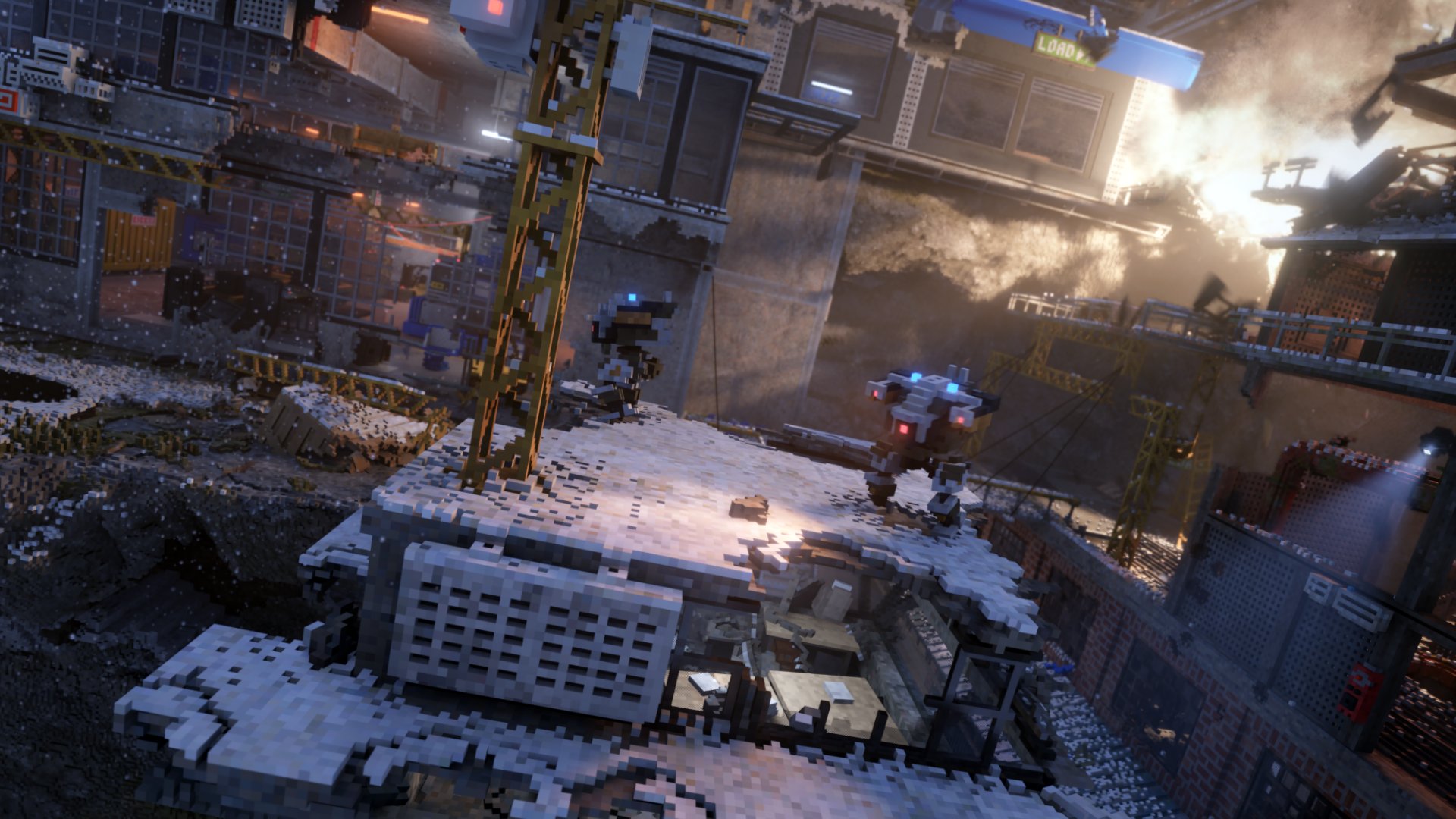
This information is intended for users who have opted into the Teardown Experimental branch and wish to explore Multiplayer prior to the official launch.
Please note that this is an open beta and that Teardown Multiplayer is still a work in progress!
Multiplayer Modding documentationRight-click on Teardown on Steam → Select Properties… → Go to Betas → Select experimental → Let it update and click on Play
 |
||||
|---|---|---|---|---|
| EDITION | STANDARD | DELUXE | ULTIMATE | SEASON PASS |
| BASE GAME |  |
|
|
|
| DLC - TIME CAMPERS | |
|
|
|
| DLC - FOLKRACE | |
|
|
|
| DLC - THE GREENWASH GAMBIT | |
|
||
| DLC 4* | |
|
||
| QUILEZ RO113R ROBOT | |
|
||
In the bustling bazaar of modern mobile apps, where Instagram reels collapse into TikTok loops and Facebook itself feels like a digital department store, it’s easy to forget a humbler era. Not the dawn of the iPhone—that story is told ad nauseam. No, consider a quieter, more curious artifact: the Facebook application for the BlackBerry 8900, released in late 2008. With its 360x480 pixel screen, trackball navigation, and a processor slower than a modern smartwatch, this device and its dedicated app formed a strange, almost minimalist portal to the burgeoning social universe. Using it today would feel like carving a statue with a spoon. But examining it reveals not just a piece of software, but a lost philosophy of connection: one defined by friction, focus, and a surprising intimacy.
The first thing you noticed was the name. It wasn’t just "Facebook." On the BlackBerry 8900’s crisp, non-touch screen, the icon read "Facebook for BlackBerry Smartphones." The word "smartphones" felt important, almost defiant. Unlike the iPhone’s revolutionary, fluid touch interface, the 8900 required intention. You clicked the trackball. You scrolled, menu by menu. The app was a series of stark, text-heavy lists: News Feed, Profile, Messages, Notifications. There were no endless autoplaying videos, no ephemeral stories, no "like" animations that exploded in confetti. The "Like" button was a simple, silent thumb. facebook application for blackberry 8900
Consider the camera integration. The 8900 had a modest 3.2-megapixel camera. The Facebook app allowed you to snap a photo and upload it directly—but there were no filters, no tagging suggestions, no real-time location stickers. The photo was uploaded as-is: slightly grainy, authentically mundane, a slice of life rather than a curated spectacle. The act of "checking in" to a location required you to manually type the place name. There was no passive, creepy background location tracking. To share where you were, you had to declare it, like a telegram from a foreign correspondent. In the bustling bazaar of modern mobile apps,
This constraint was transformative. Where today’s Facebook algorithm aggressively curates and pushes content to maximize "engagement" (read: anxiety and outrage), the 8900’s app was fundamentally pull-based. You had to manually refresh your feed. You had to click into a photo to see it, and even then, the image would render line by line, like a slow Polaroid developing in a snowstorm. This friction was not a bug; it was a feature. It forced you to decide what was worth your limited cognitive bandwidth. You couldn't mindlessly scroll while waiting for coffee—the scroll itself was work. Consequently, you read status updates. You actually typed comments (with the glorious, clicky physical keyboard). The conversation was slower, deeper, and more deliberate. With its 360x480 pixel screen, trackball navigation, and
The app also reflected a social network that was still, for the most part, a desktop extension. Notifications were infrequent. Chat was a separate, clunky window. The app did not buzz every thirty seconds. It did not demand your attention; it awaited your arrival. This created a healthier psychological boundary. You checked Facebook on your BlackBerry during a bus ride or a boring lecture, and then you put the device back in your pocket. The phone had not yet become an appendage, and the social network had not yet become a predator.
Today, the Facebook app on a flagship phone is a surveillance engine wrapped in a video player. It knows your location, your search history, your heartbeat (via your smartwatch). It pre-loads videos it predicts you’ll watch. The BlackBerry 8900 app, in contrast, was a guest in your life. It asked for permission to see your network, and then it sat politely until you invited it back.
Teardown has an active modding community and extensive mod support with built-in level editor, Lua scripting and Steam Workshop integration. You can to build your own sandbox maps, tools, vehicles and even new types of games, or just enjoy one of the thousands of existing community mods through the in-game mod loader. The documentation and best practices for modding and making content can be found here:
Whether you are playing on PC or console or curious about what's coming with multiplayer, our FAQ has answers to the most common questions. It covers gameplay, platforms, features, and what to expect ahead of the multiplayer launch. We’ll keep updating it as new questions arise.
Contact us if you experience problems with the game and need technical support or have a business enquiry. Make sure to read the FAQ above first. You can also find many answers to questions by joining the offical Discord server