Adobe Flash Cs3 Archive May 2026
E-mail Validation Software
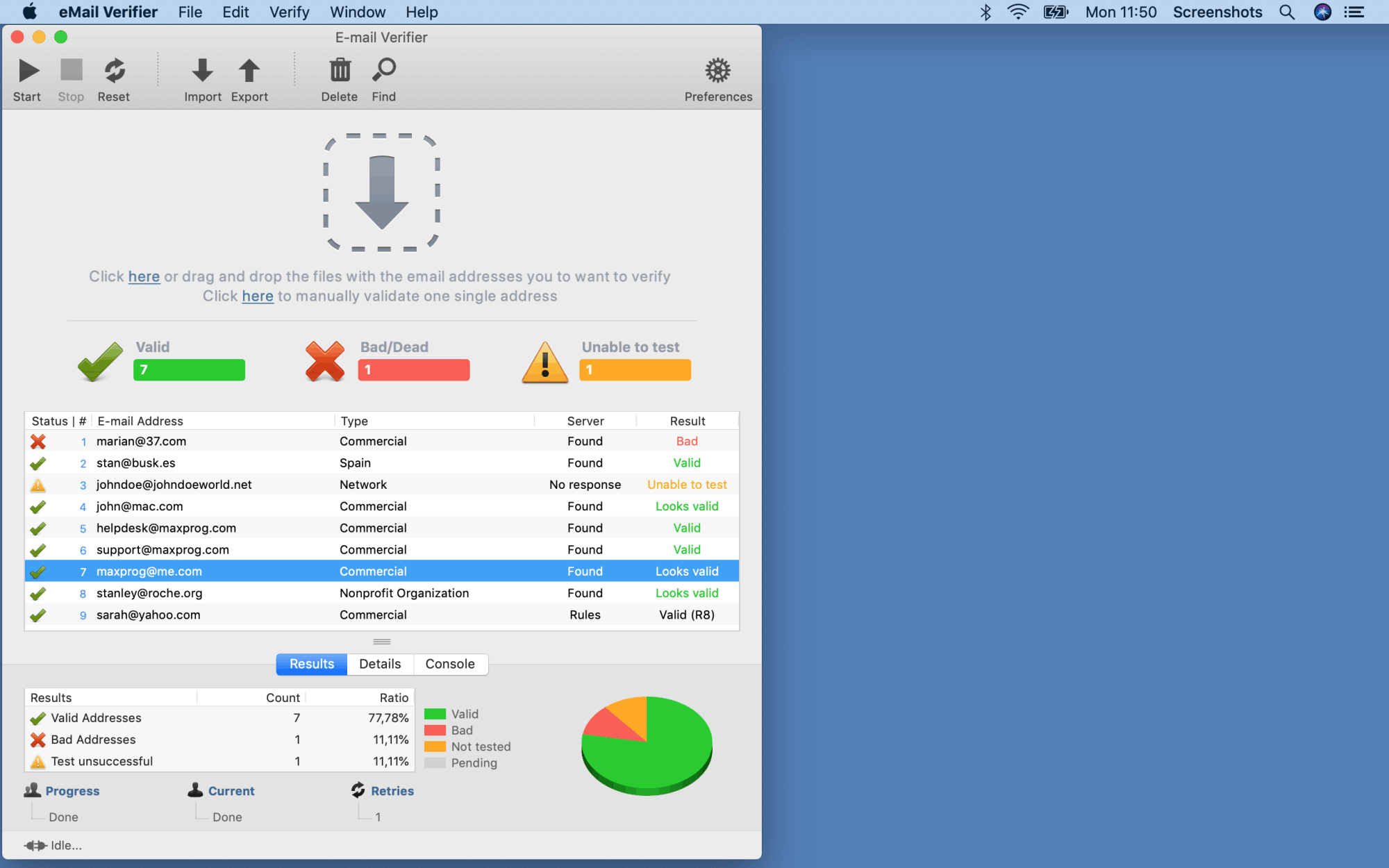
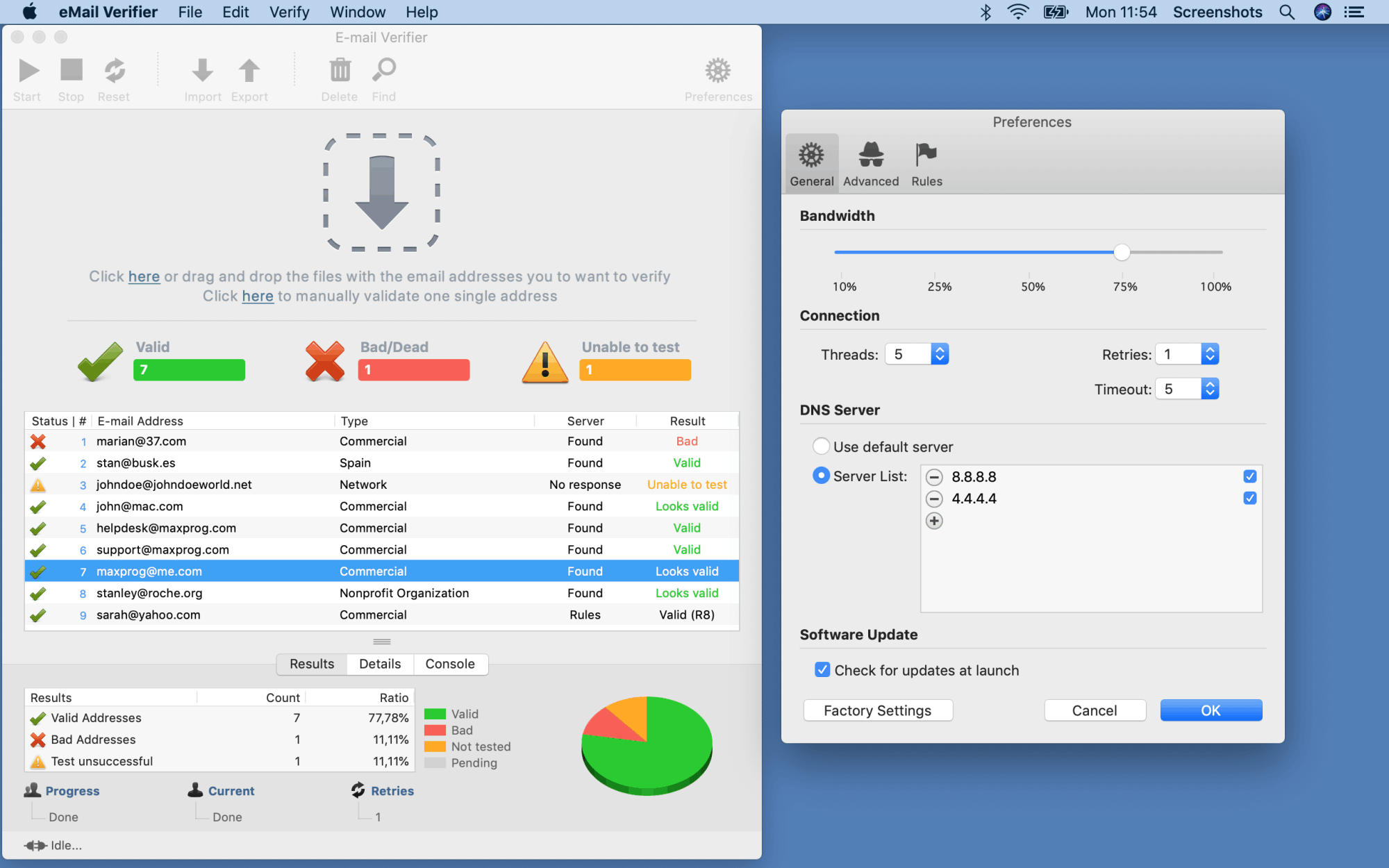
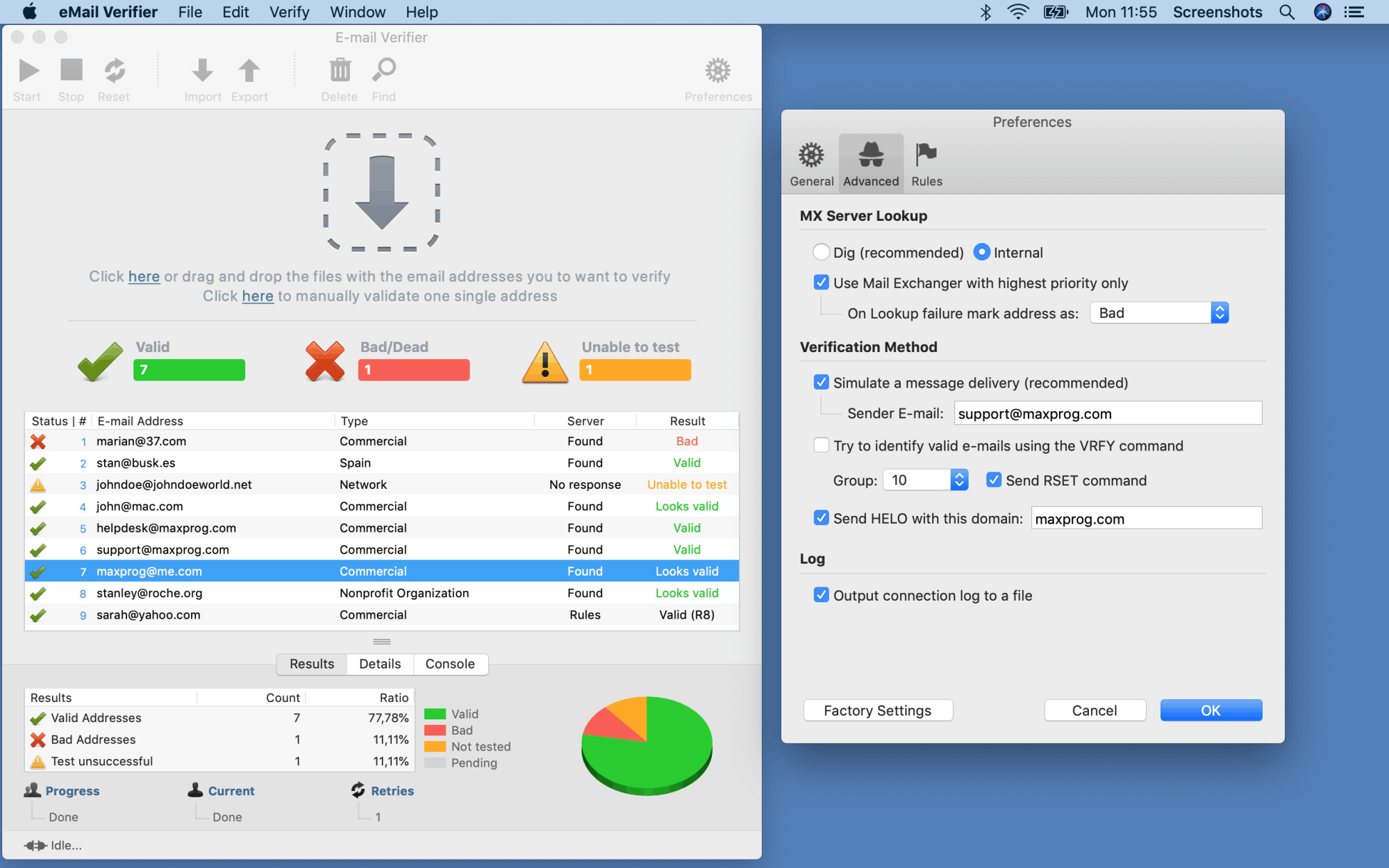
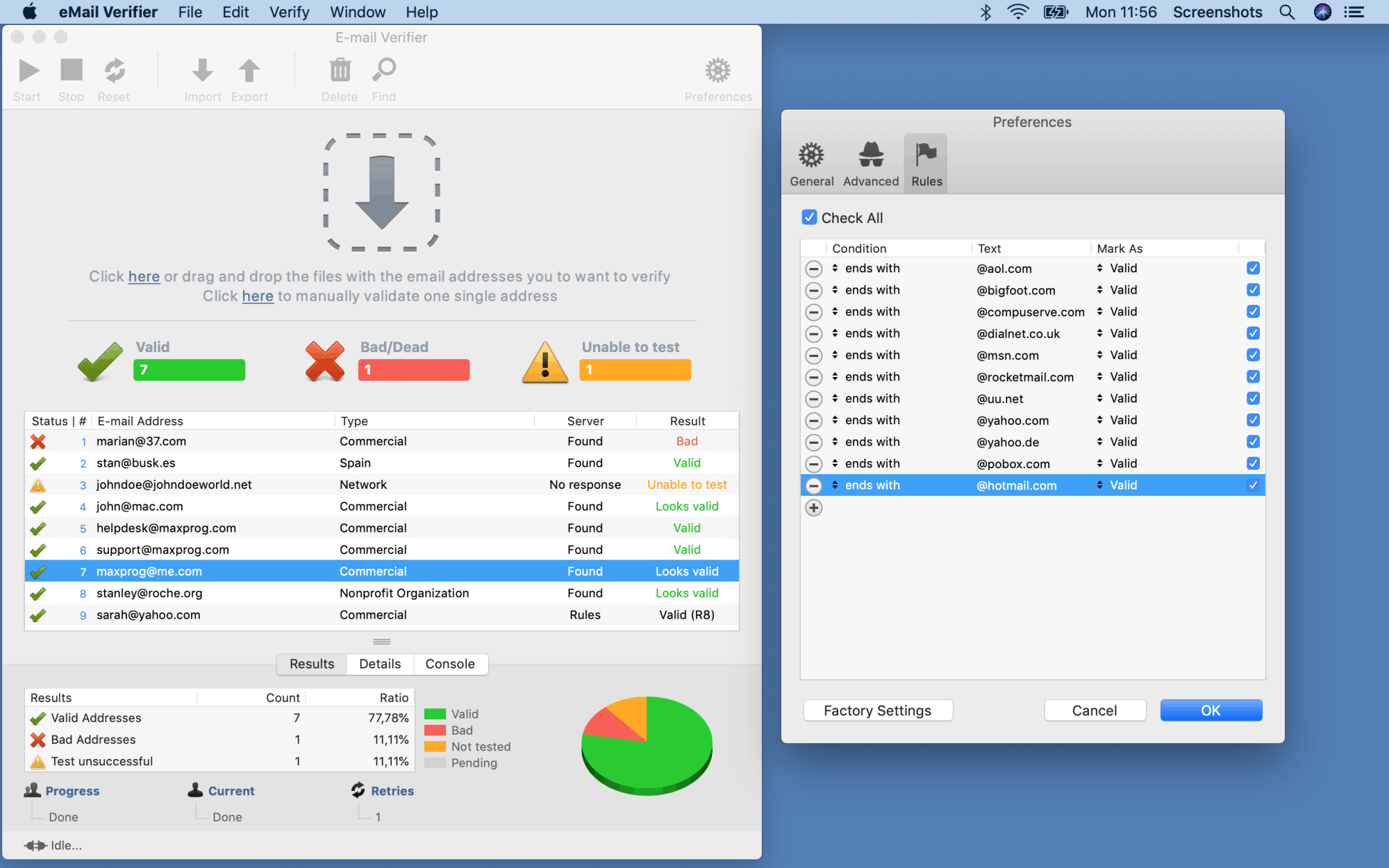
Save time and money maintaining clean mailing lists and checking the validity of recipient's e-mails addresses...
Save time and money maintaining clean mailing lists and checking the validity of recipient's e-mails addresses...
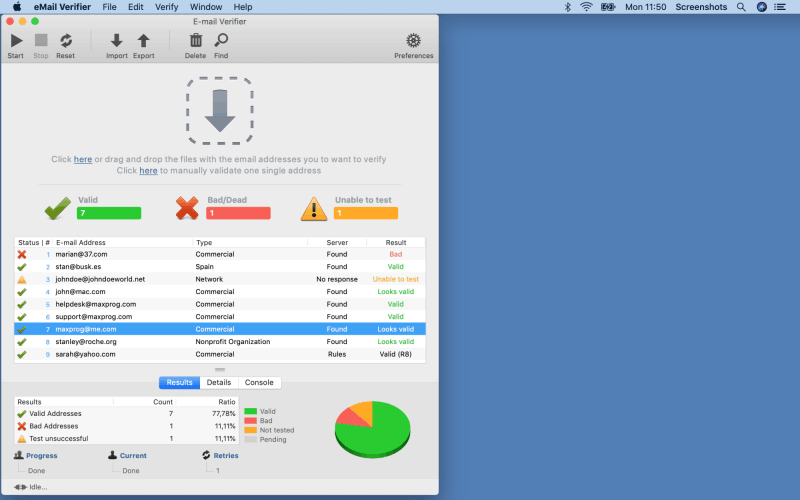
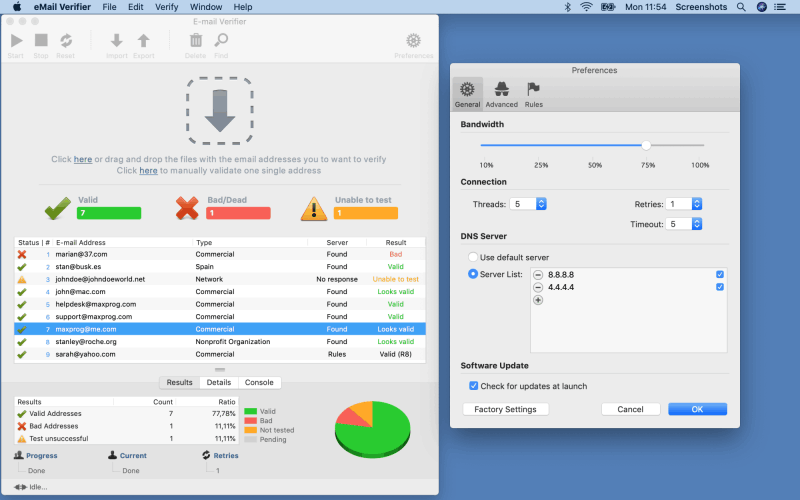
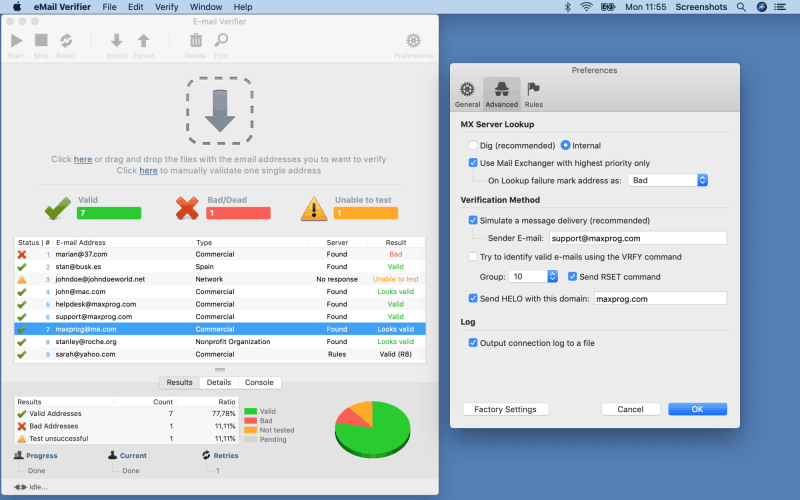
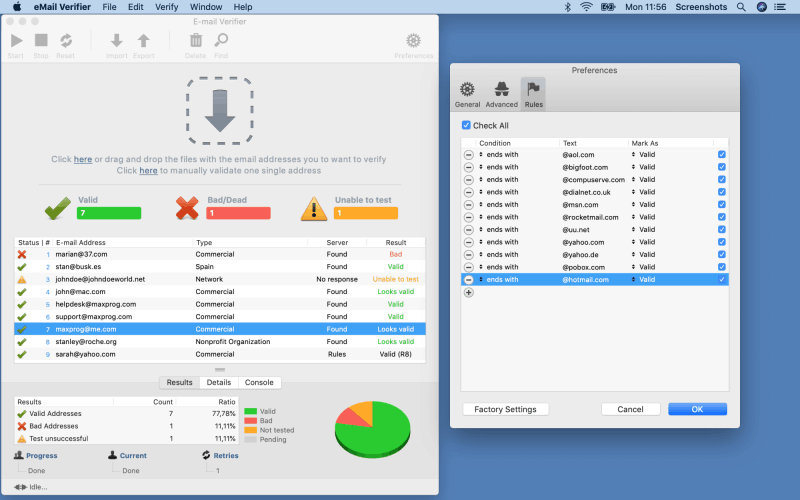
eMail Verifier can save time and money for businesses who send newsletters to their clients, nonprofit organizations who send bulletins to their members, or any person or business that needs to maintain a clean e-mail contact list.
eMail Verifier has proven helpful to us. We have more than 7,400 e-mail addresses for our members, and they don't always tell us when they change addresses. eMail Verifier also catches obvious typos, and it does it a lot faster than I can scan a list of e-mail addresses. eMail Verifier may not be for everyone, but it works for us, and really cuts down on the number of bounced messages when we send out notifications to our members. – Greg Raven
In the fast-paced world of software development, a tool released in 2007 is usually considered ancient history. For most modern creators, the idea of booting up a 17-year-old version of Photoshop or Word is a nightmare of compatibility issues and clunky interfaces.
As Adobe officially killed Flash Player at the end of 2020, the creative tools used to build that era—specifically Macromedia/Adobe Flash CS3—have taken on a new life as historical artifacts. To understand why the CS3 archive is special, you need a history lesson. Before Adobe, there was Macromedia. For years, the go-to tool was Macromedia Flash 8. In 2005, Adobe acquired Macromedia, and the world waited nervously to see what would happen.
If you still have that old CD case with the "Adobe CS3" logo on it, treasure it. In the history of creative software, there has never been another tool quite like it. Do you have an old .FLA file from 2008 you want to open? Dust off the archive—just don't try to upload the SWF to Chrome.
There is a vibrant community of animators who refuse to let the Flash aesthetic die. Shows like Hazbin Hotel started as Flash animations. Using CS3, artists can replicate the specific vector warping, tweening, and "booth" style that defined the early internet. You cannot get that exact look in Toon Boom or After Effects.
In the fast-paced world of software development, a tool released in 2007 is usually considered ancient history. For most modern creators, the idea of booting up a 17-year-old version of Photoshop or Word is a nightmare of compatibility issues and clunky interfaces.
As Adobe officially killed Flash Player at the end of 2020, the creative tools used to build that era—specifically Macromedia/Adobe Flash CS3—have taken on a new life as historical artifacts. To understand why the CS3 archive is special, you need a history lesson. Before Adobe, there was Macromedia. For years, the go-to tool was Macromedia Flash 8. In 2005, Adobe acquired Macromedia, and the world waited nervously to see what would happen.
If you still have that old CD case with the "Adobe CS3" logo on it, treasure it. In the history of creative software, there has never been another tool quite like it. Do you have an old .FLA file from 2008 you want to open? Dust off the archive—just don't try to upload the SWF to Chrome.
There is a vibrant community of animators who refuse to let the Flash aesthetic die. Shows like Hazbin Hotel started as Flash animations. Using CS3, artists can replicate the specific vector warping, tweening, and "booth" style that defined the early internet. You cannot get that exact look in Toon Boom or After Effects.

MaxBulk Mailer is a bulk mailer and e-mailmerge tool for macOS and Windows that allows you to send out customized press releases, price lists or any kind of text or HTML messages to your customers.

eMail extractor is a tool for extracting e-mail addresses from all kind of sources like your local files, web pages or the clipboard in order to create highly targeted and legitimate bulk e-mail lists.

eMail Bounce Handler is a bounce e-mail filtering and handling tool that recognizes bounce emails, electronic mail that is returned to the sender because it cannot be delivered for some reason.

Maxprog, LLC
7901 4th St N STE 8230
St. Petersburg, Florida 33702